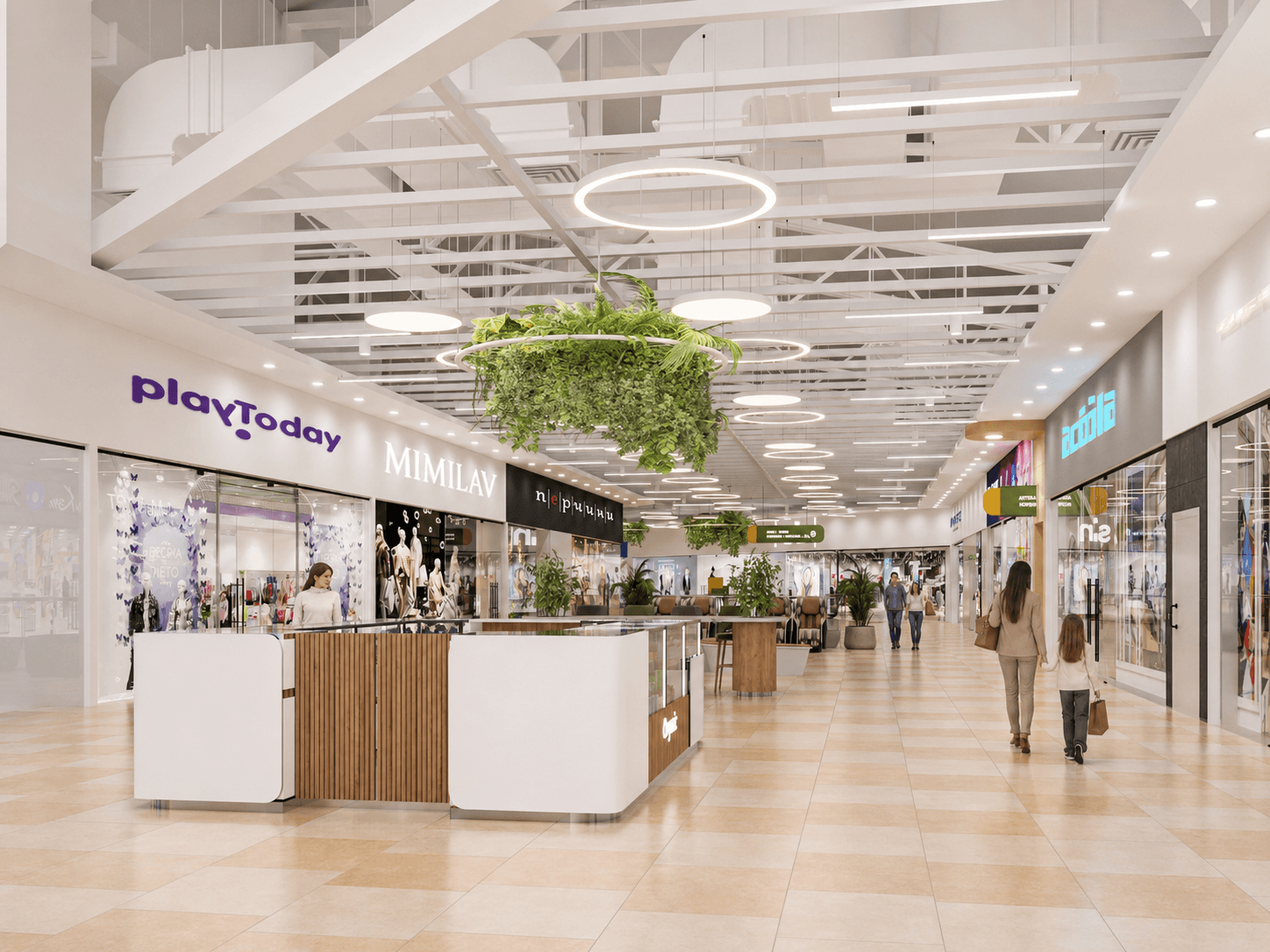
Shopping Mall Design and Atrium Lighting — Kollazh, Penza
Shopping Centre Design as a Way to Attract Visitors and Grow Business
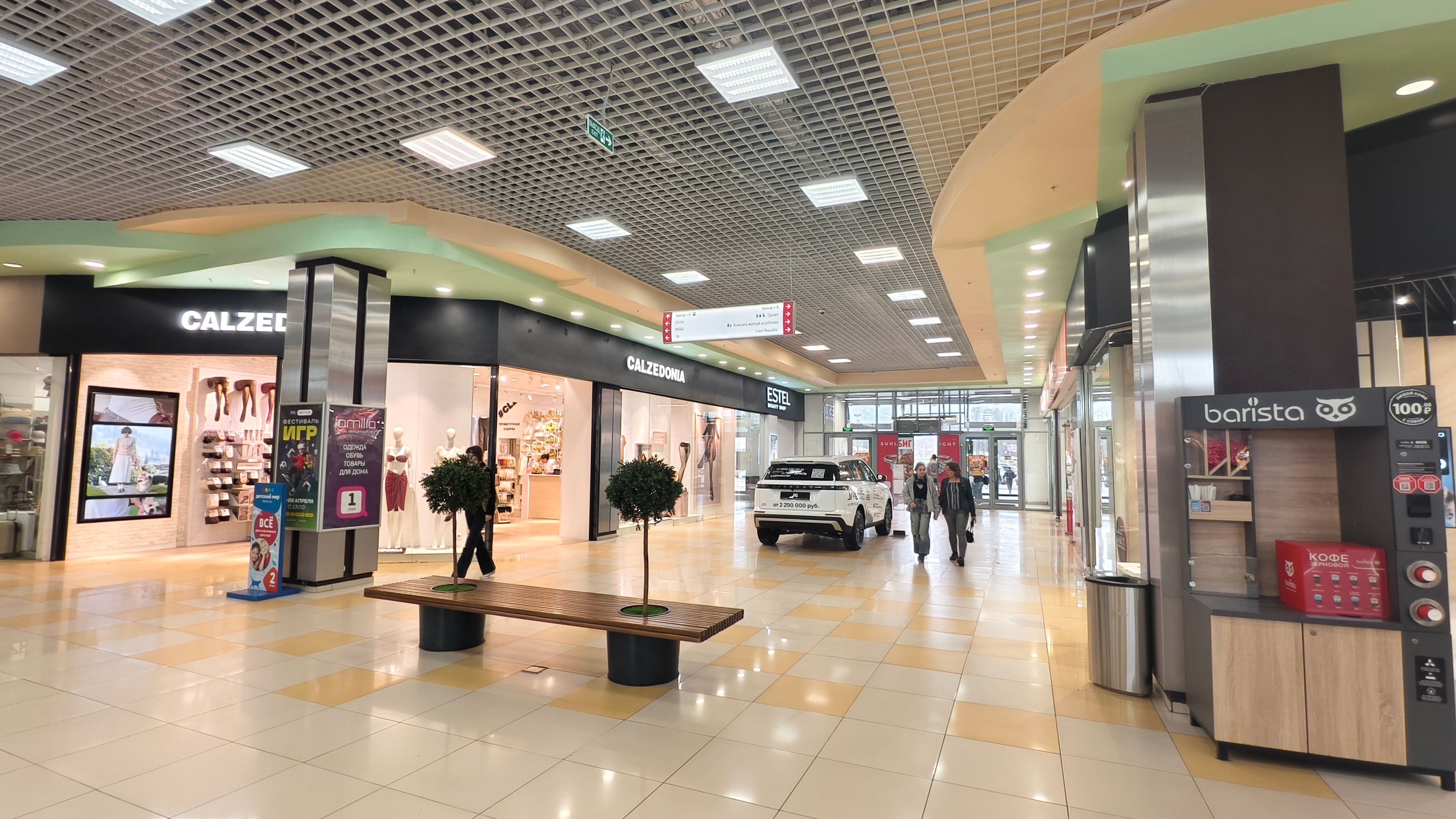
Kollazh Shopping Centre before renovation
Today, shopping centres compete not only with one another, but also with online shopping, public spaces and entertainment at home. Visitors are no longer simply looking for a particular shop: they choose where to go, where to spend their time and which places they want to return to.
That is why a shopping centre needs to take an active role in making its spaces more appealing. Keeping visitors interested is not just the responsibility of tenants or the marketing team. Architecture, lighting, wayfinding, places to relax and an events programme all shape an environment people want to visit. Design plays a leading role in this: it brings the retail spaces together into a cohesive place with its own character.
An Appealing Environment Is Part of What a Shopping Centre Offers
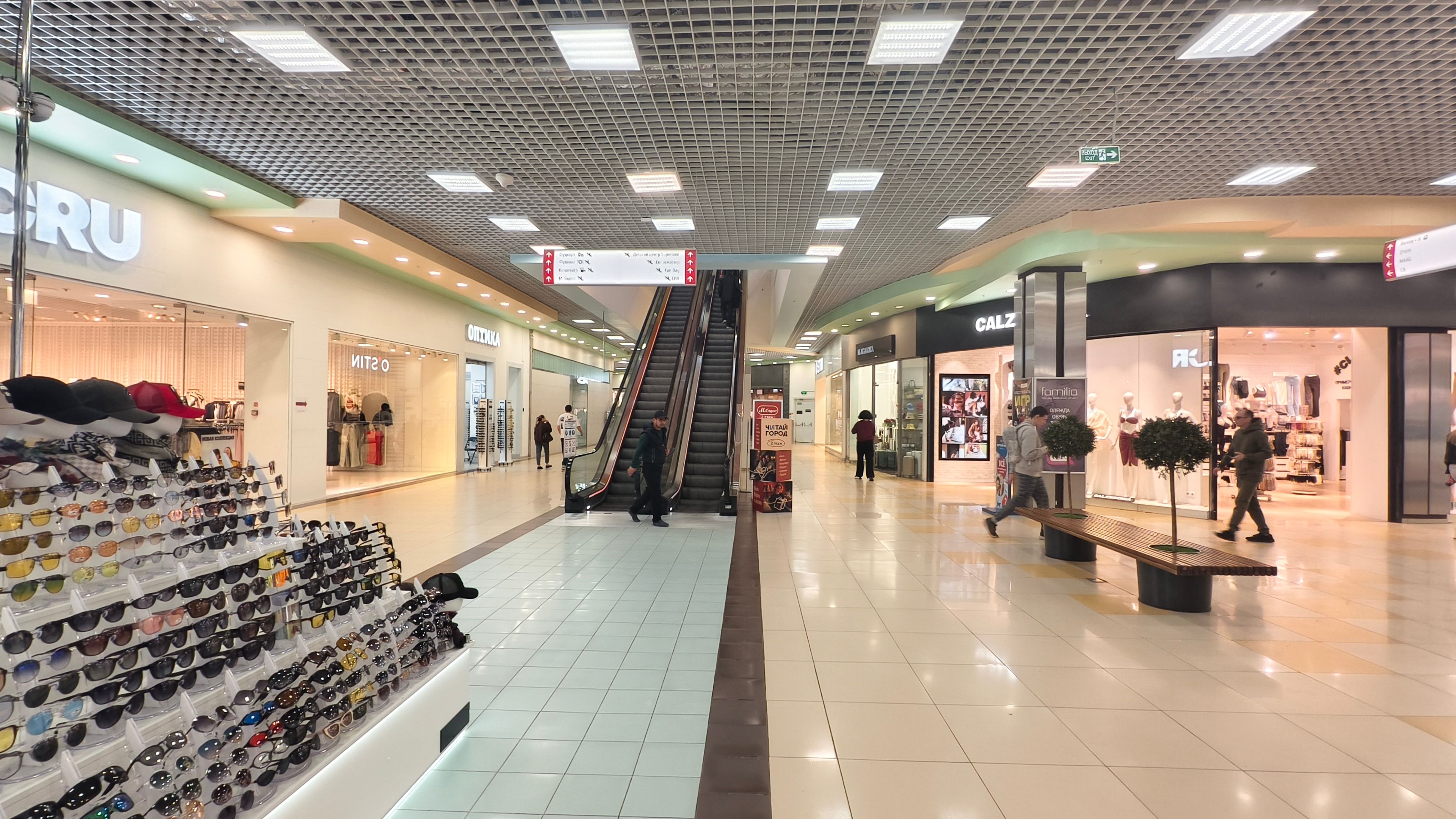
Kollazh Shopping Centre before renovation
The way shared areas look affects how visitors experience the entire centre. When a gallery is bright, comfortable and easy to navigate, it is easier to find your way around and more pleasant to linger. Distinctive details and comfortable places to relax can turn the space into somewhere to meet, take a walk or spend time with family—not just a route from the car park to a particular shop.
Research into retail environments links factors such as lighting, colour and layout with visitors’ emotional responses, their desire to stay and their intention to return. A field study on store atmospherics also found a relationship between the quality of the in-store environment, customer spending and loyalty to the shopping centre. This does not mean that a redesign alone guarantees higher sales, but it does show why the environment matters to commercial performance.
For shops and cafés, an appealing shared environment adds value to the location. It helps create a positive impression before visitors even step inside an individual store. For the shopping centre, design is a way to sustain interest in the destination as a whole, set it apart from competitors and give people a reason to come back.
From Footfall to Purchases
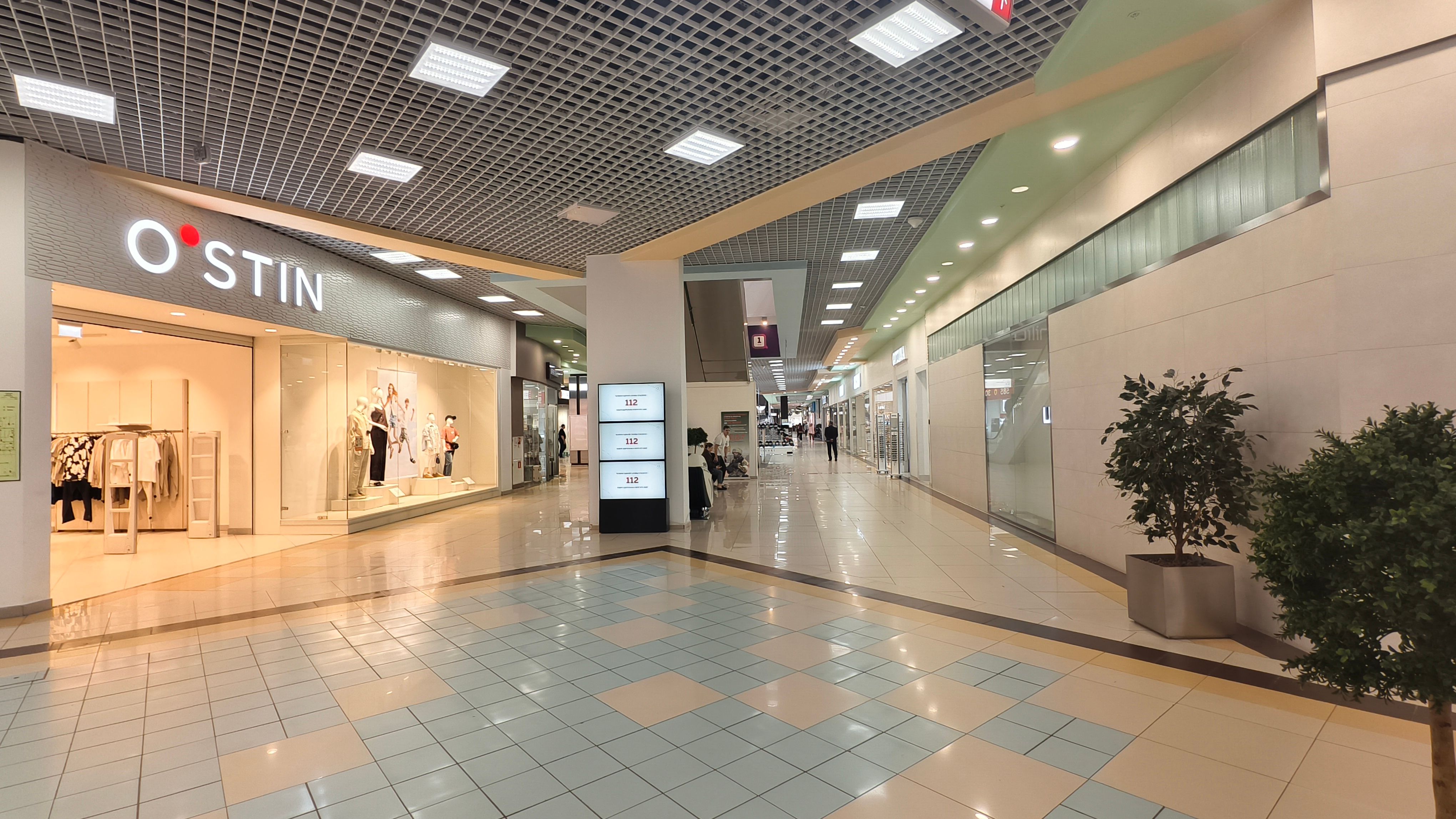
Kollazh Shopping Centre before renovation
A beautiful interior cannot, by itself, guarantee an increase in average spend. That also depends on product range, pricing, service quality and how each individual store is run. But design can support the conditions that encourage people to shop: a comfortable visit, clear routes, a desire to explore the gallery, stop in a leisure area or spend more time at the centre.
That is why a redesign should be seen as part of a broader strategy for developing commercial spaces. When a shopping centre invests in the overall atmosphere and visitor comfort, it strengthens more than its image. Visitors can discover new shops and services more easily, tenants can welcome customers into a more inviting environment, and the management team can create more reasons for people to visit.
The Redesign Concept for Kollazh Shopping and Entertainment Centre in Penza
Kollazh Shopping Centre before renovation
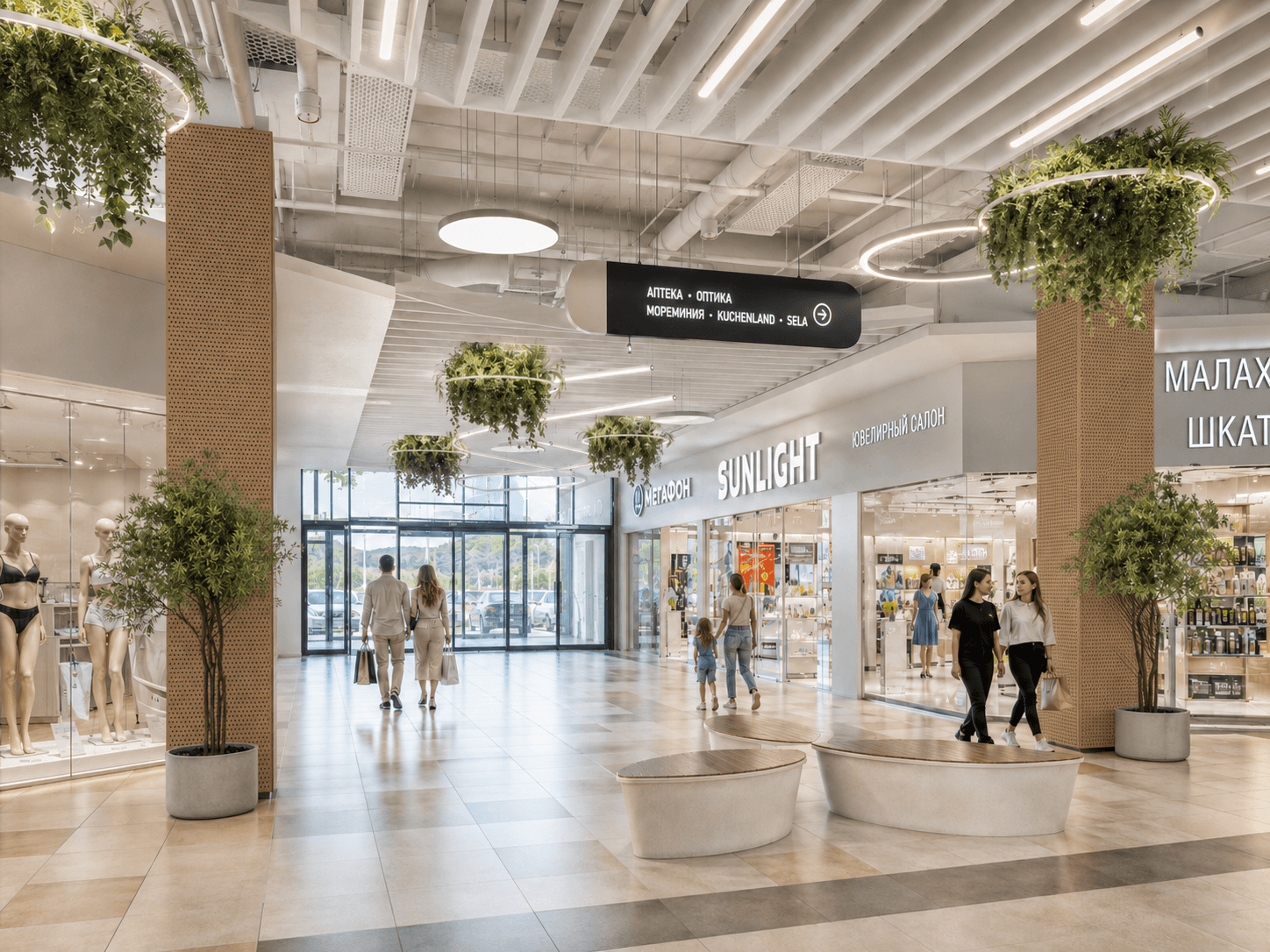
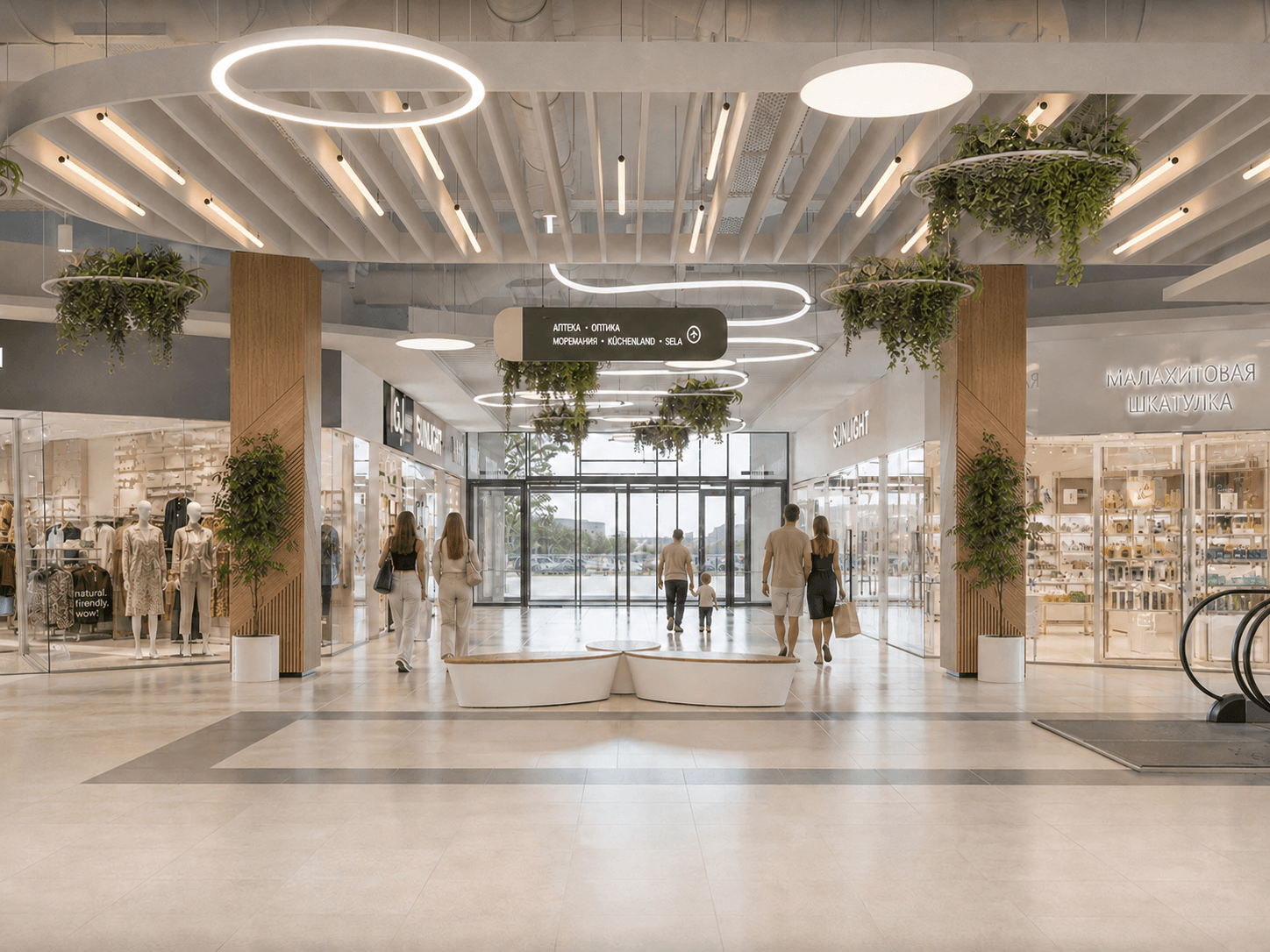
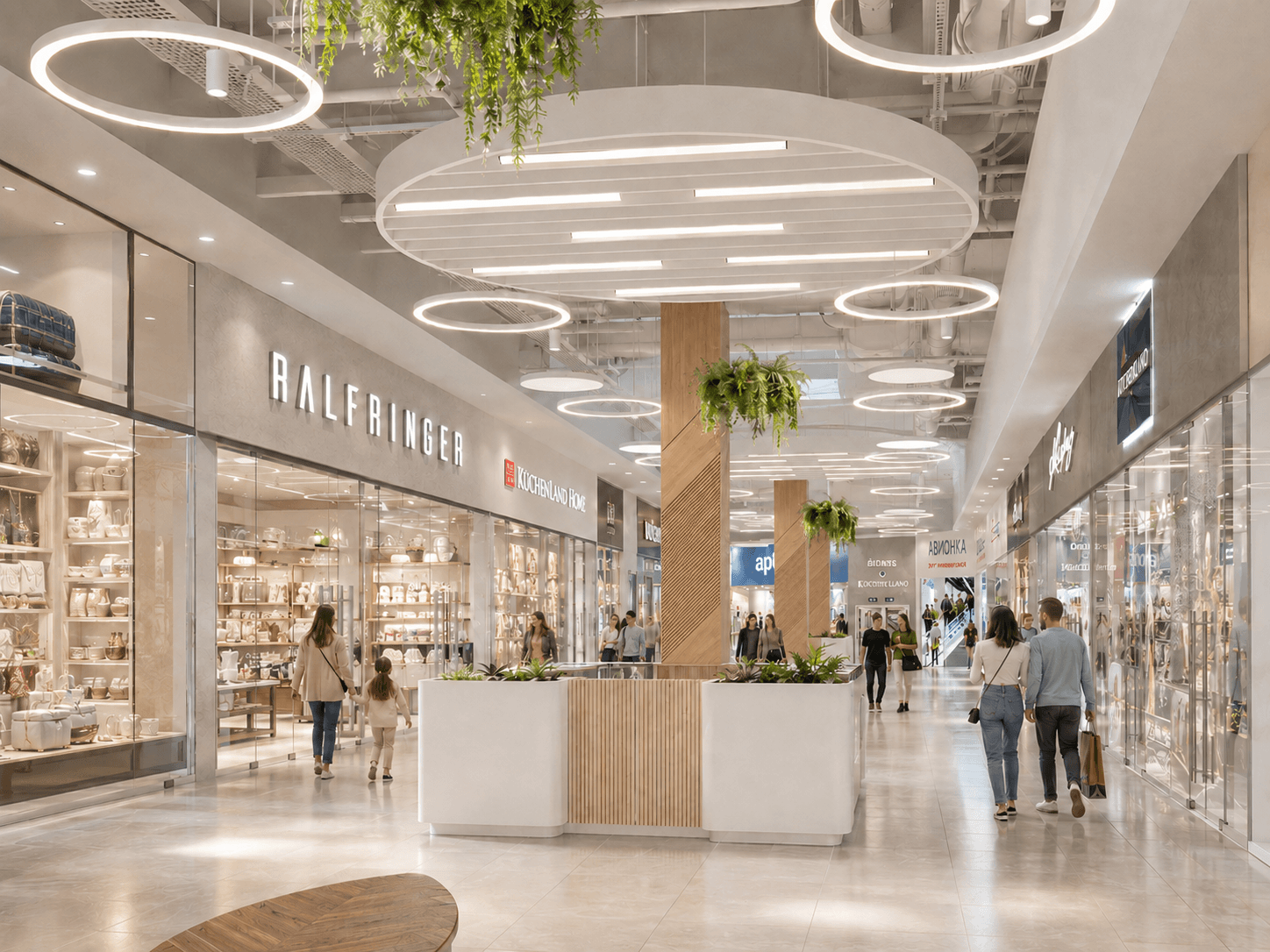
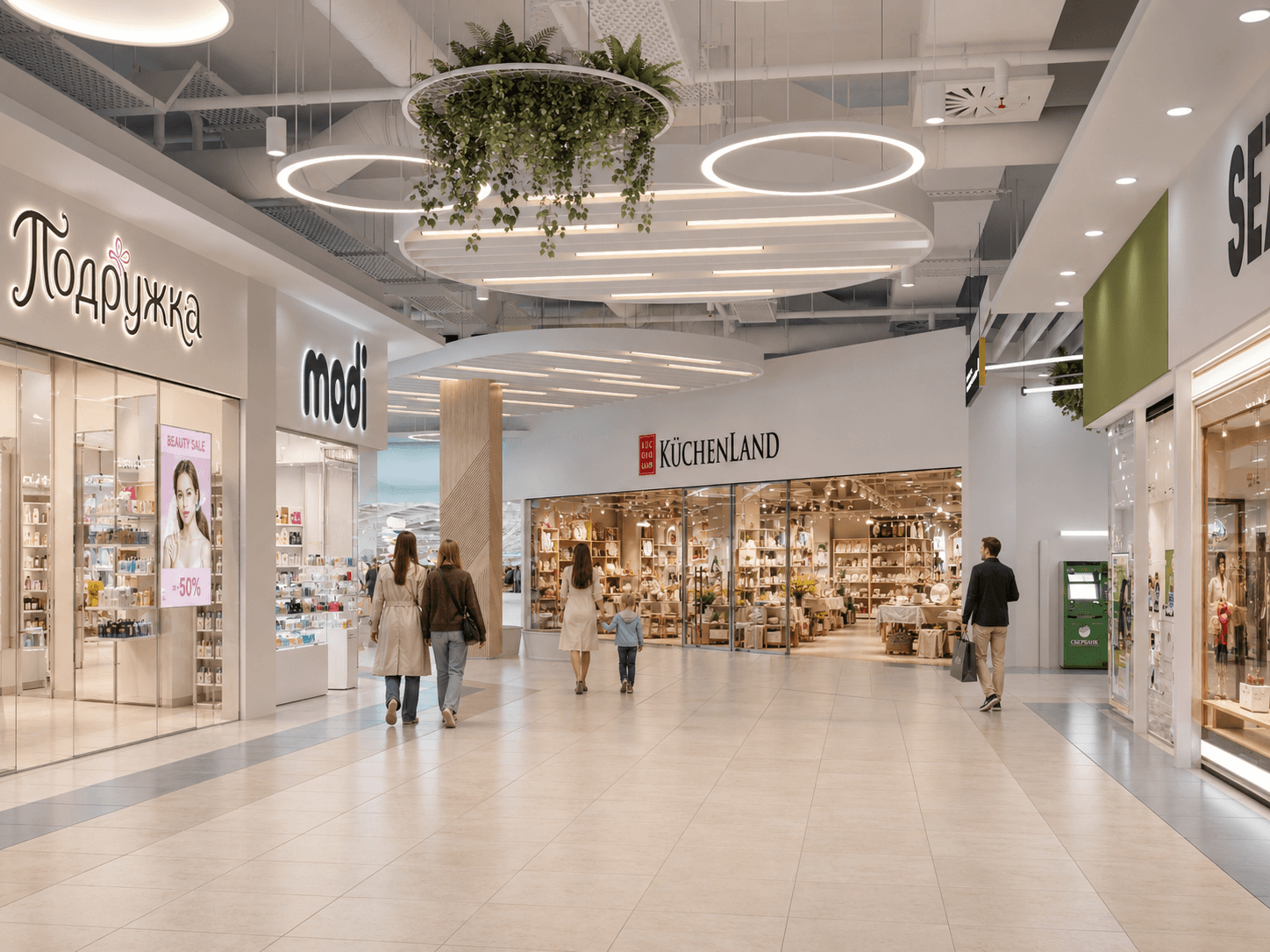
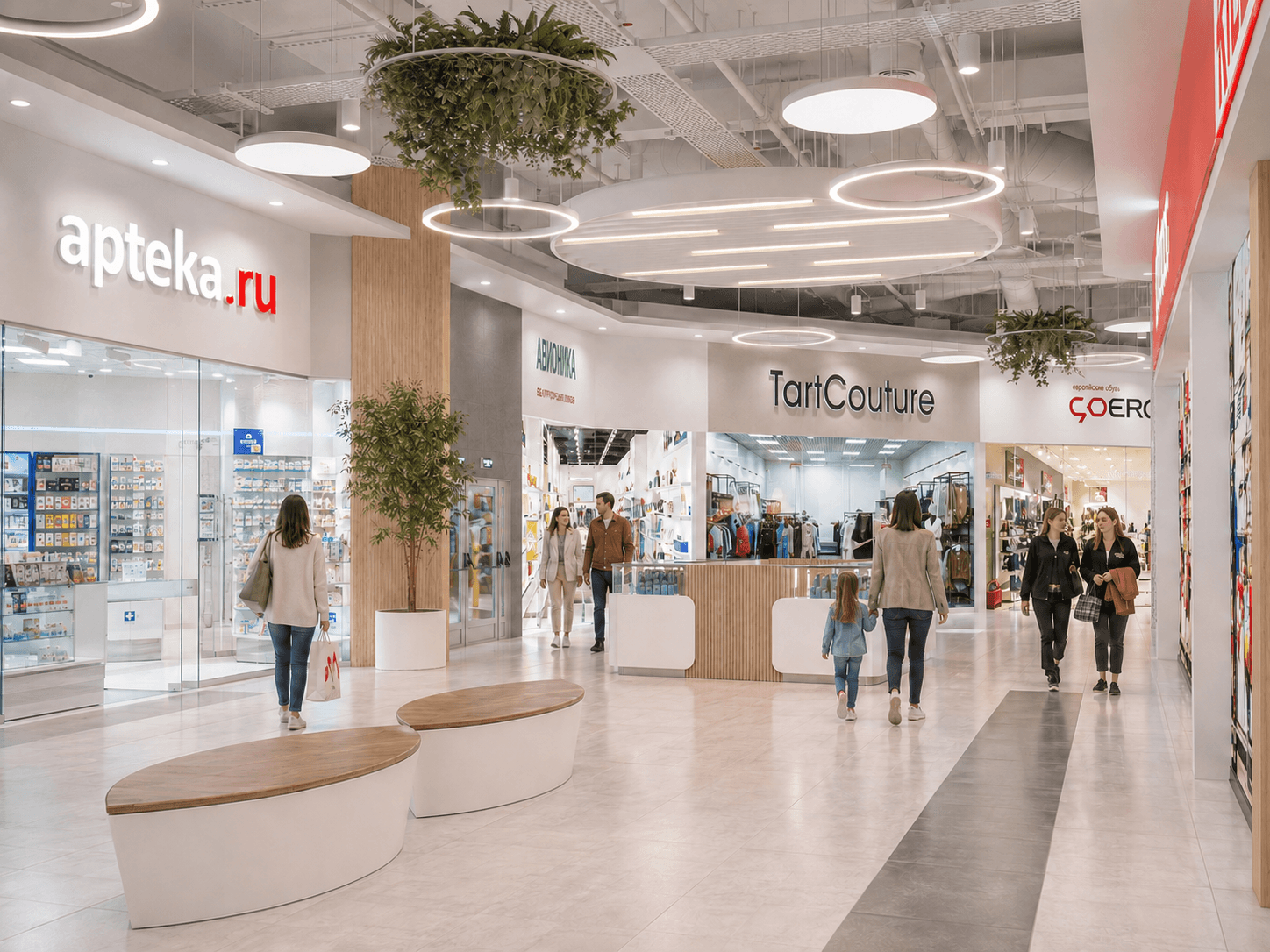
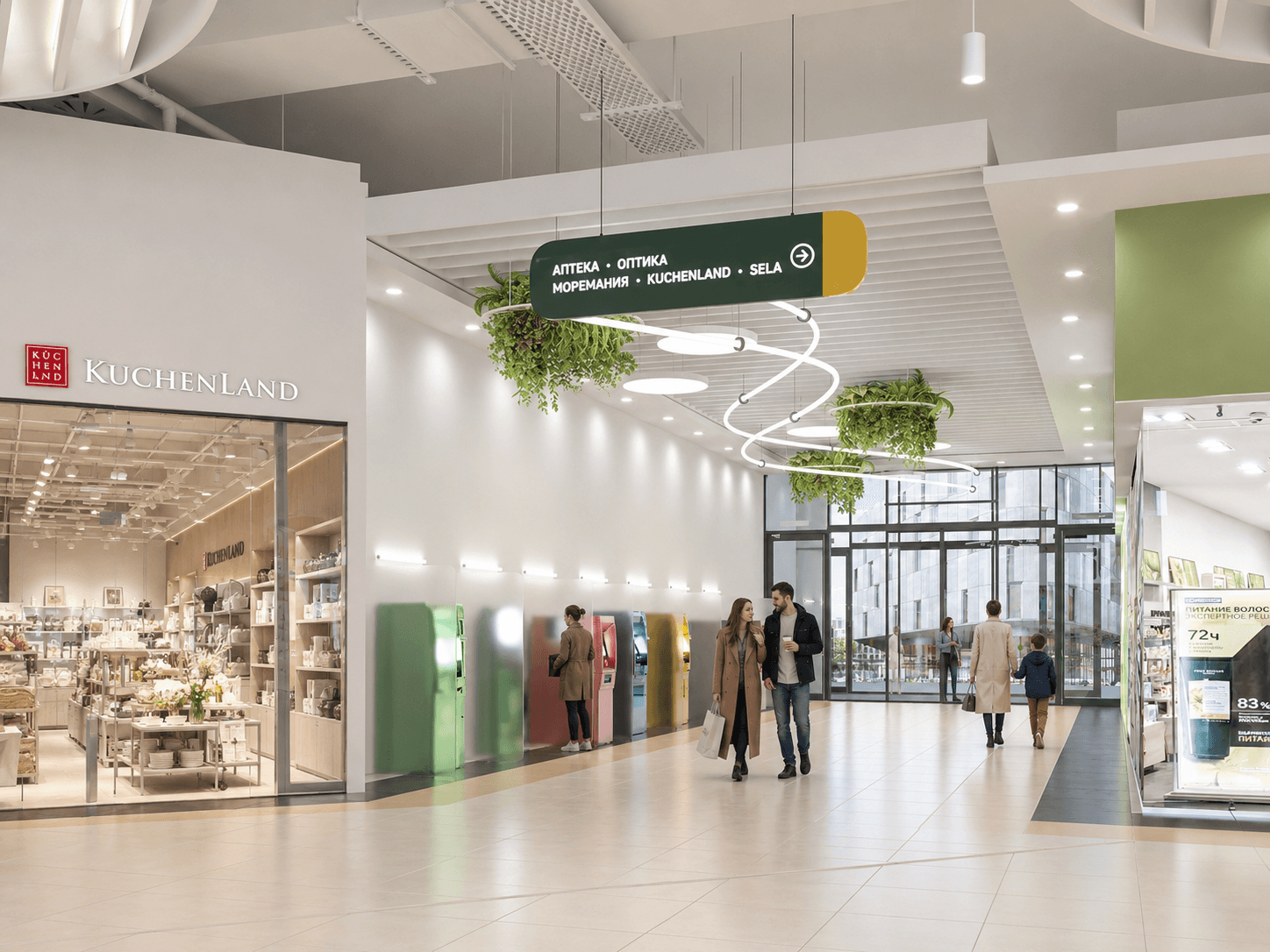
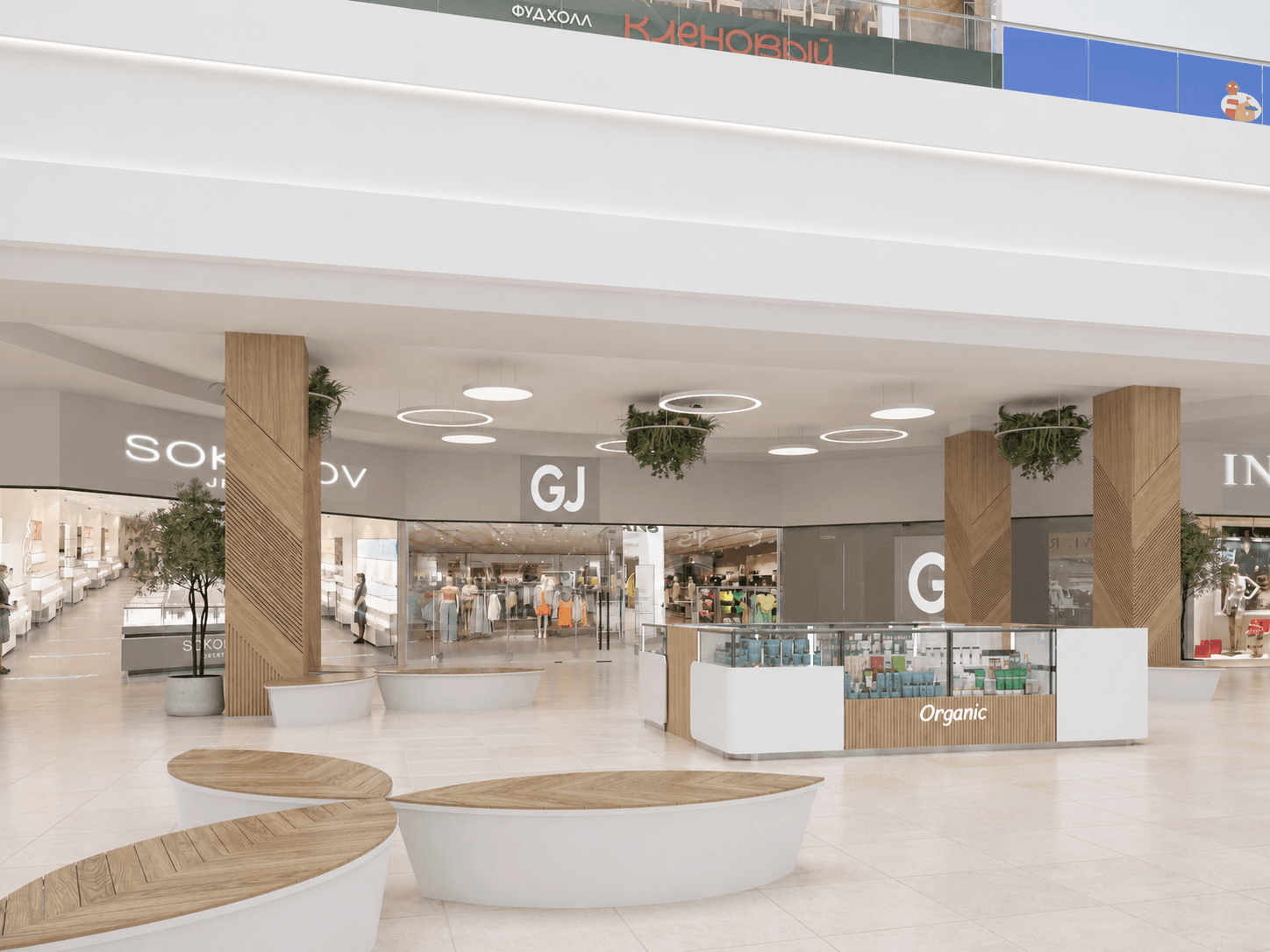
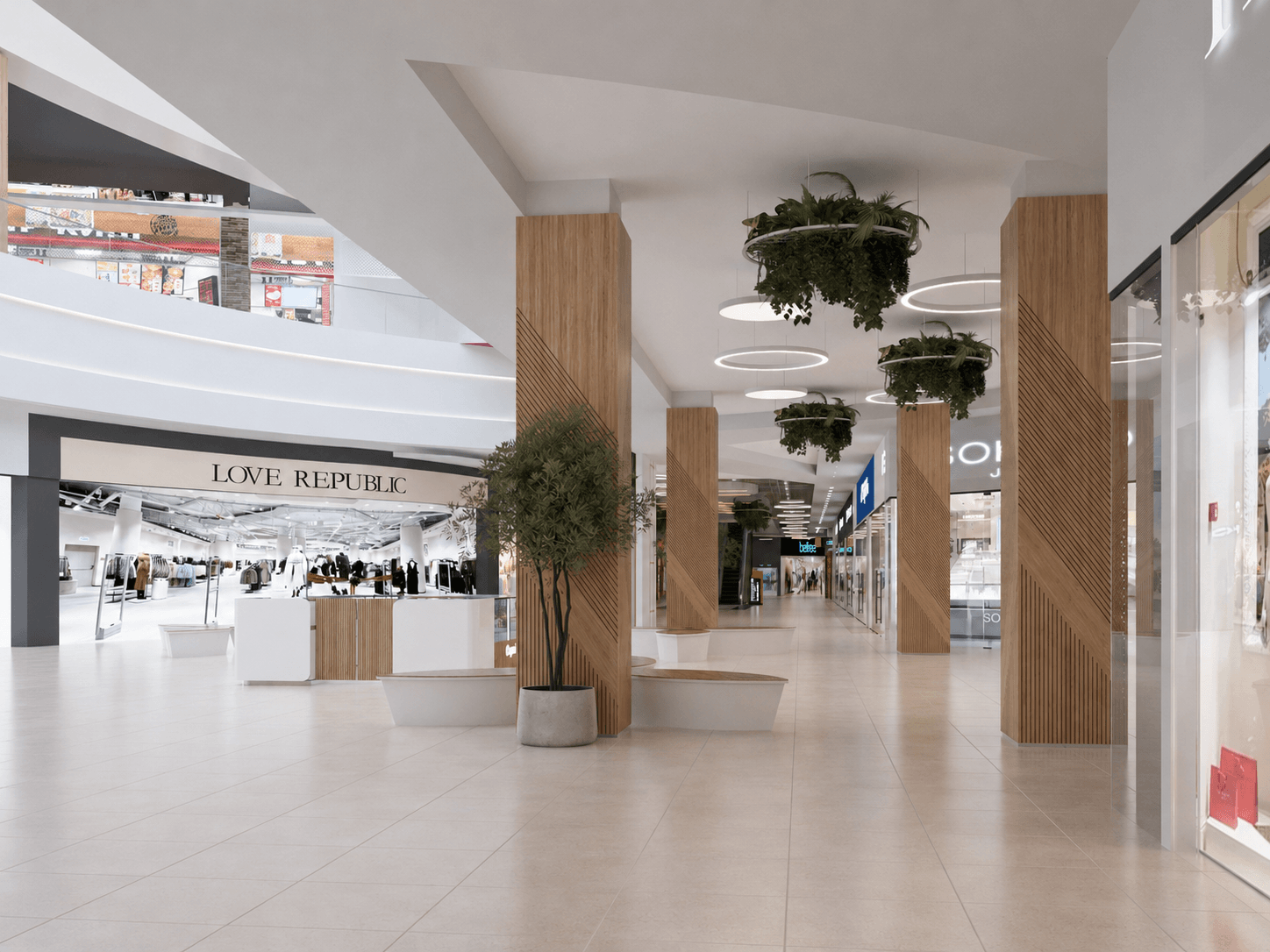
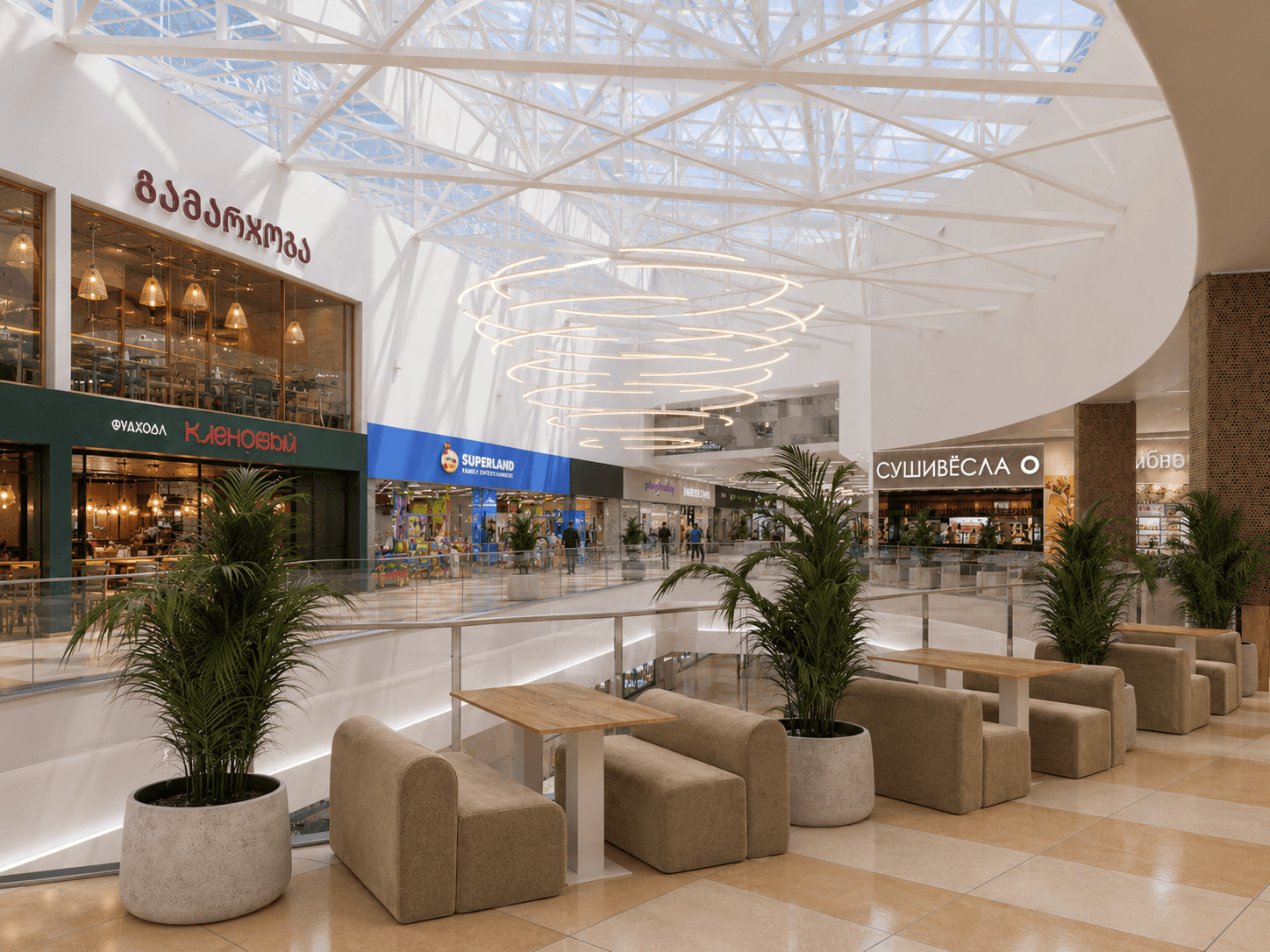
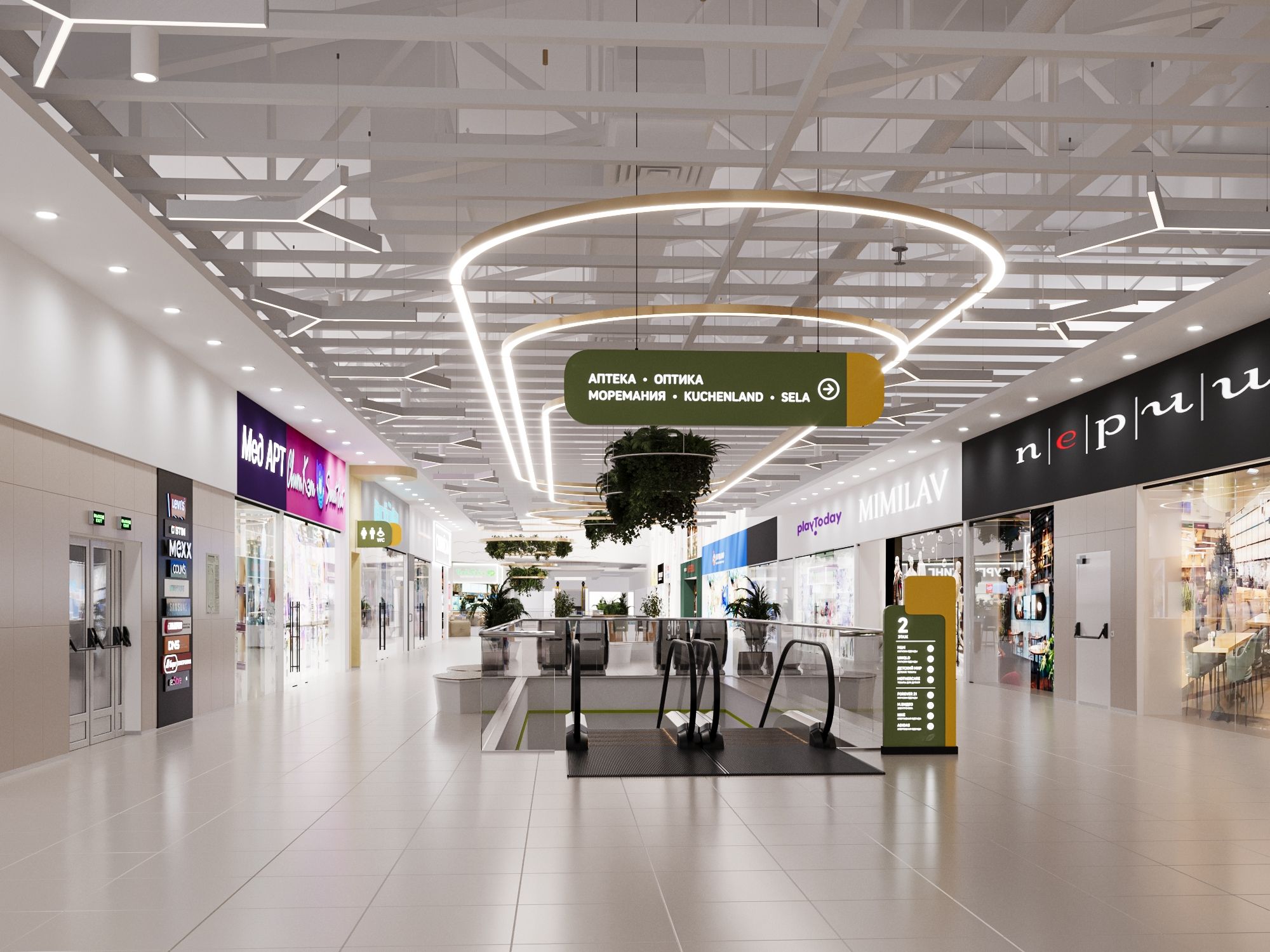
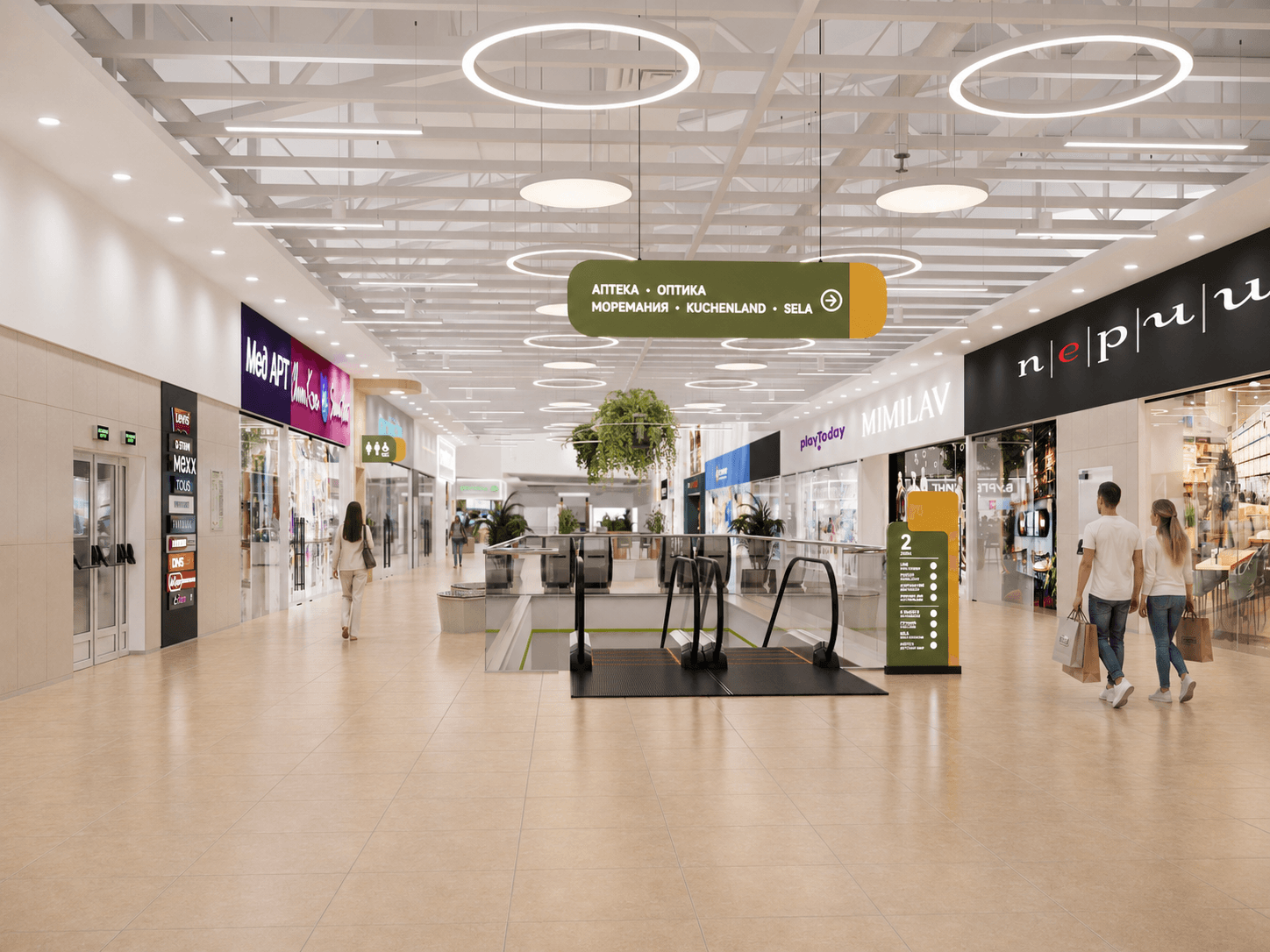
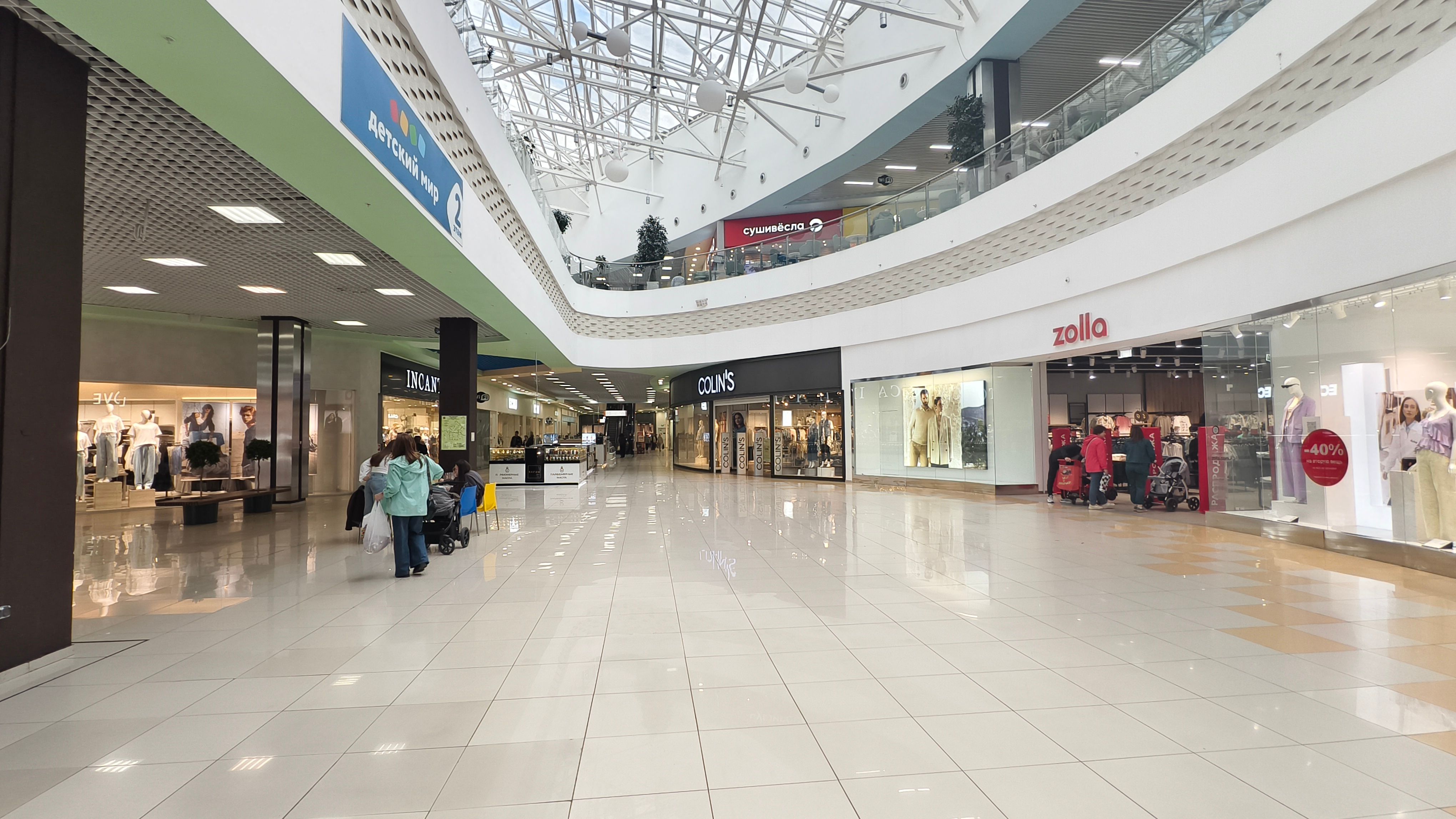
Kollazh is a major shopping and entertainment centre in Penza, with shops, a cinema, a food court and other leisure spaces. The redesign concept covered the first-floor shopping gallery, the ATM area, the atrium beside the food court and the food court itself.
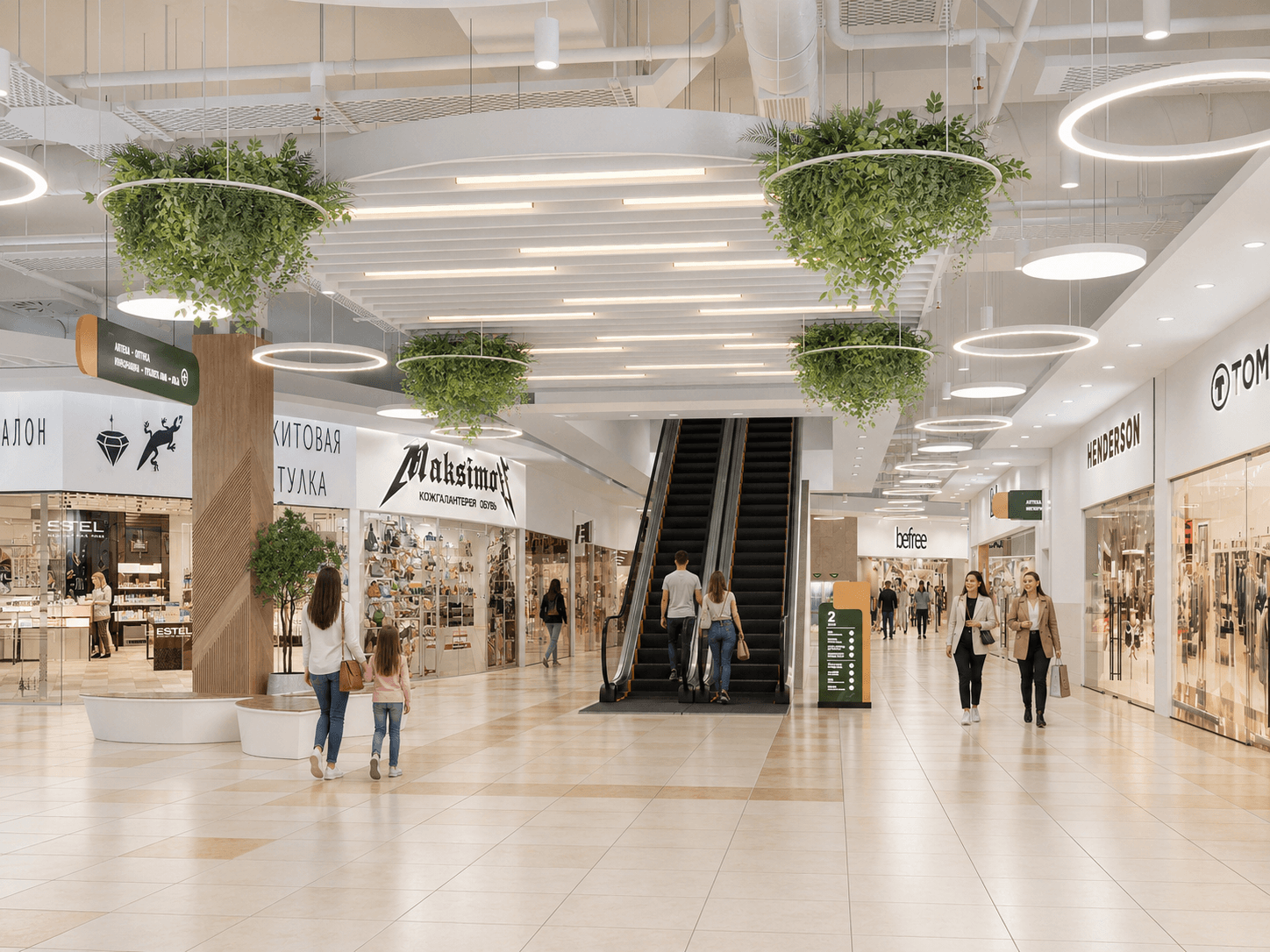
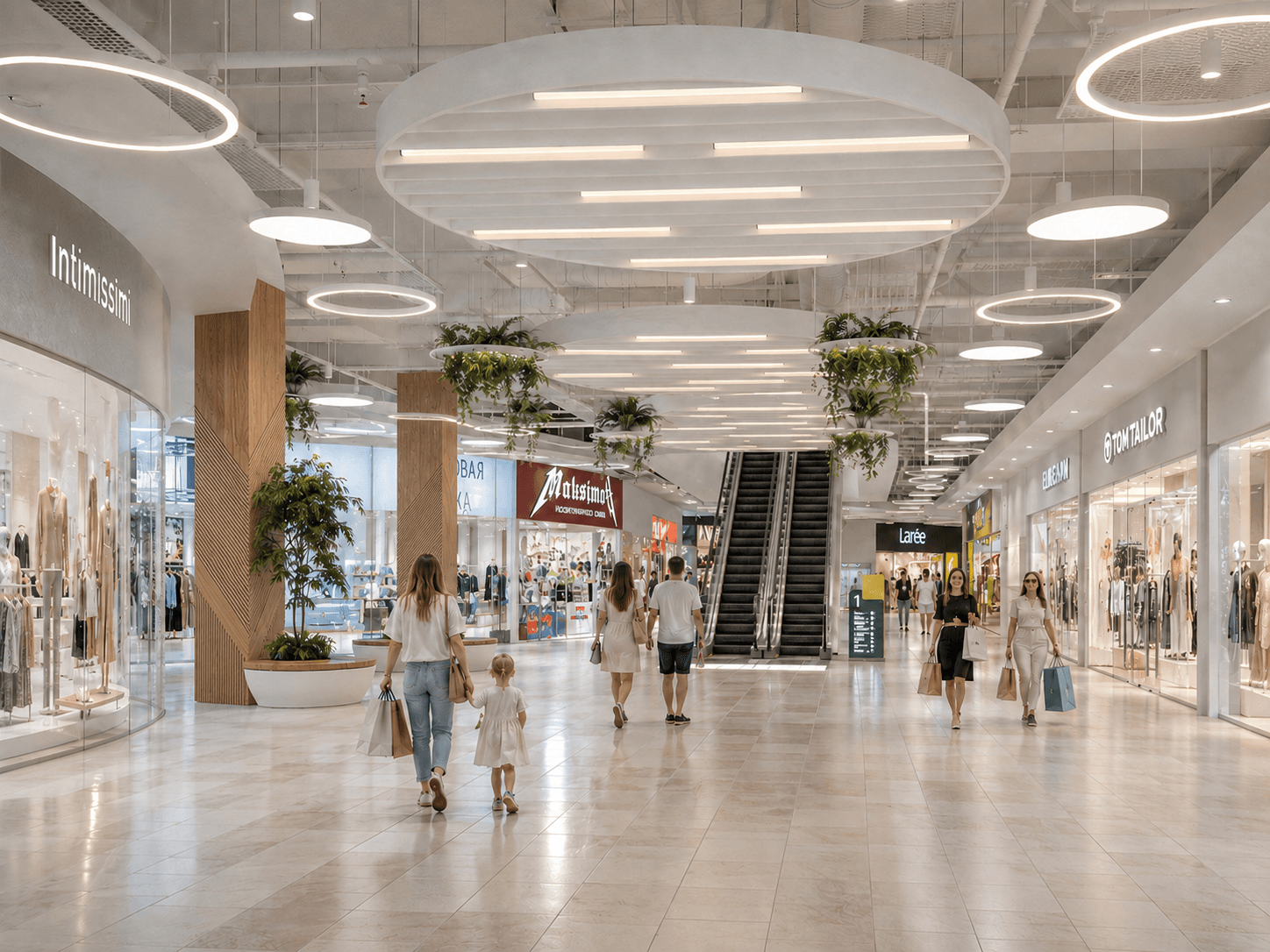
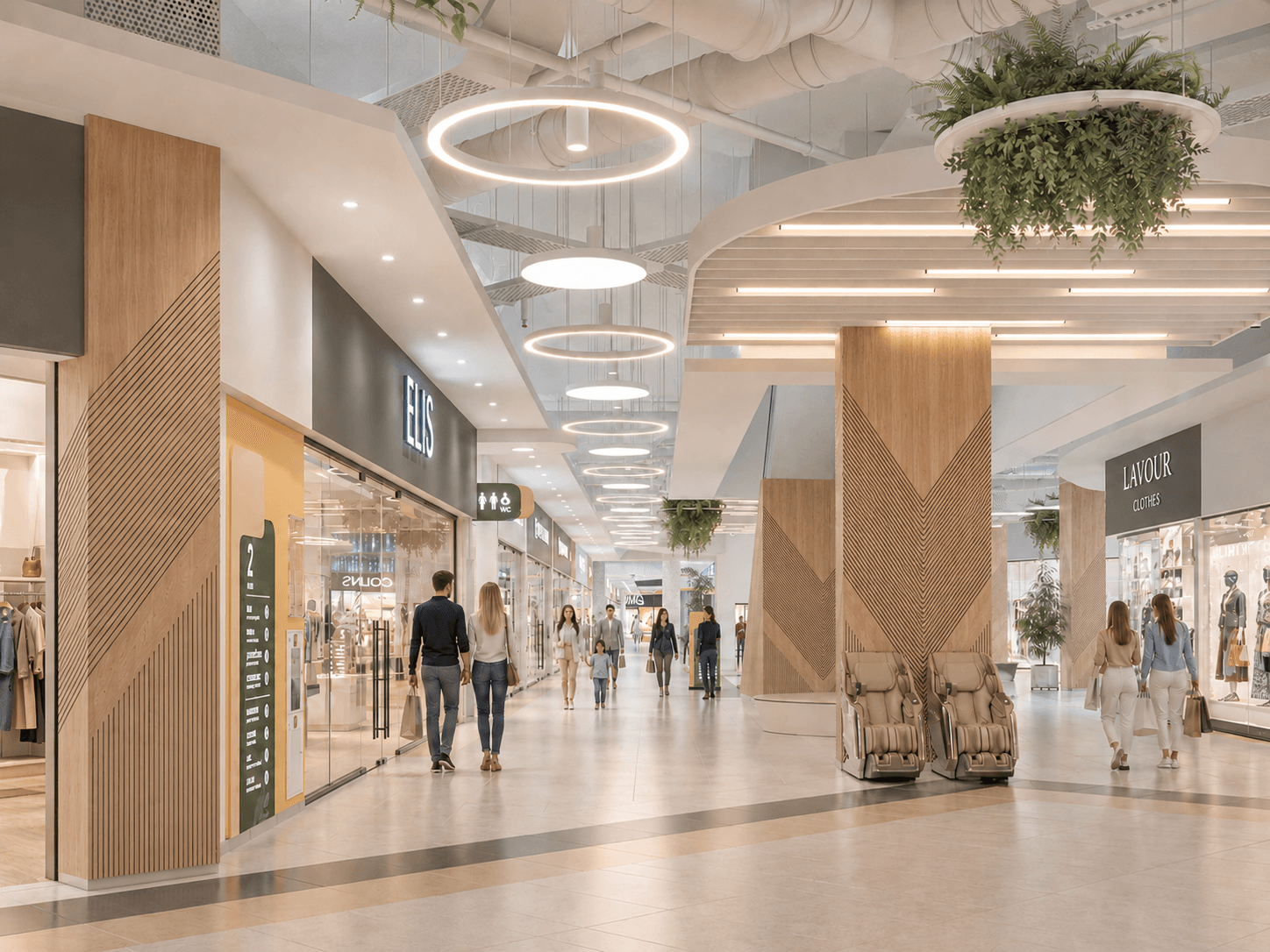
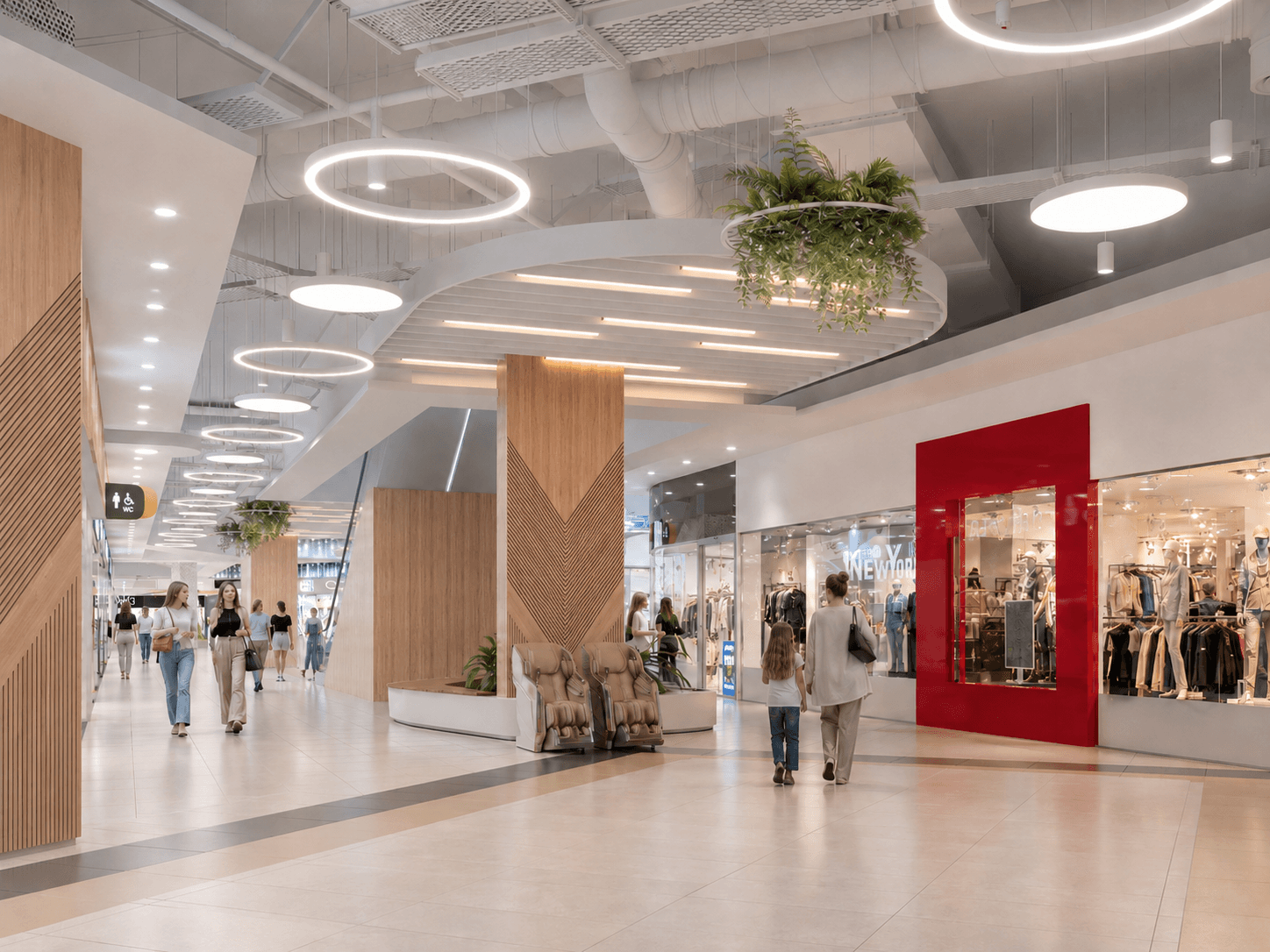
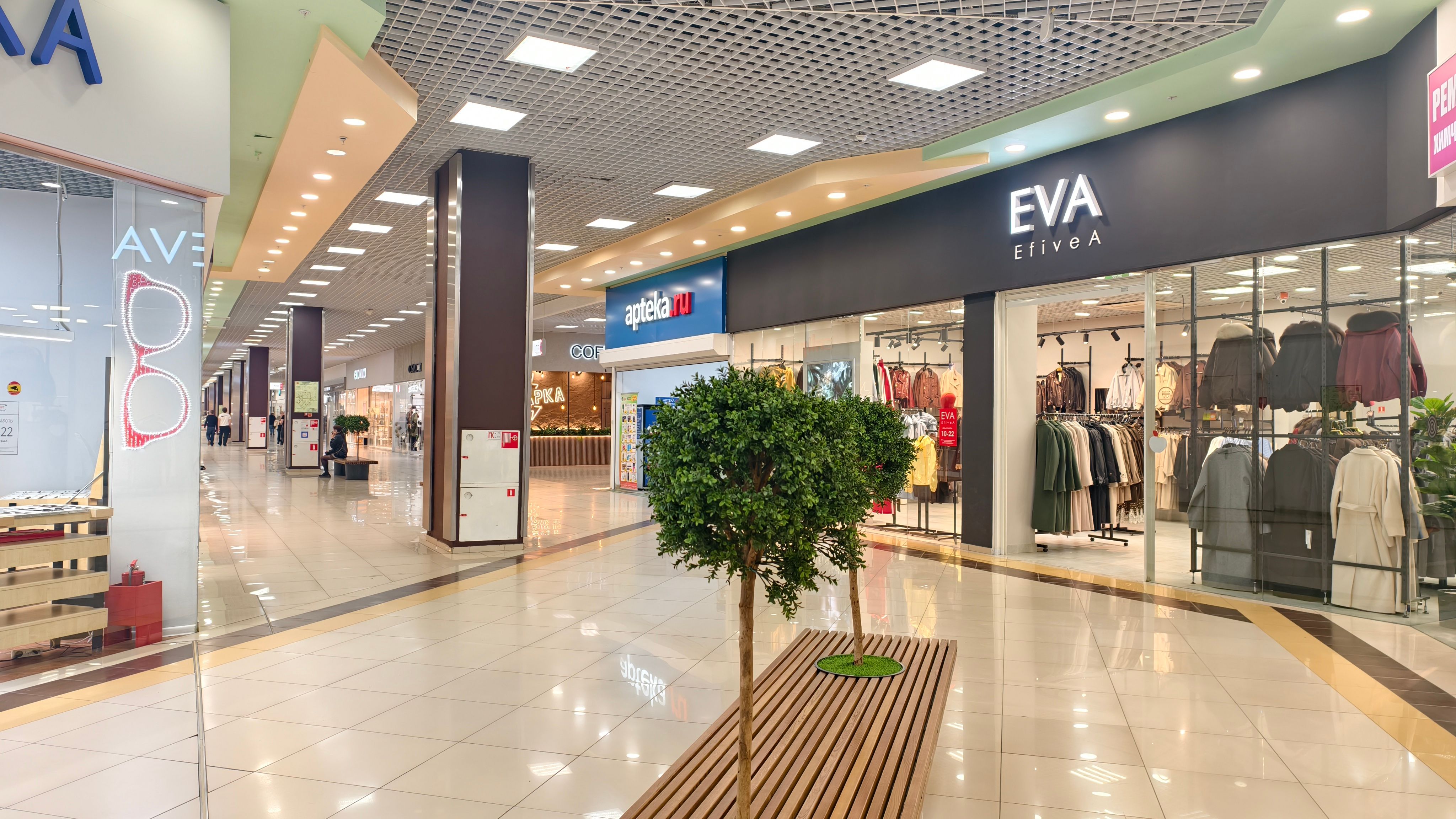
The aim was to create a shared visual language for the different areas while highlighting the character of each one. In the gallery, this is achieved through the rhythm of the ceiling elements, slatted features and distinctive column finishes. Light surfaces are paired with wood tones, while repeated details bring the long space together into a cohesive composition.
In a large shopping centre, the interior needs to work from more than one viewpoint. Visitors experience it on the move, from different angles, floors and distances. That makes scale, contrast, clear sightlines and the way architectural details guide the eye especially important.
Atrium Lighting and an Art Feature as a Focal Point
Kollazh Shopping Centre before renovation
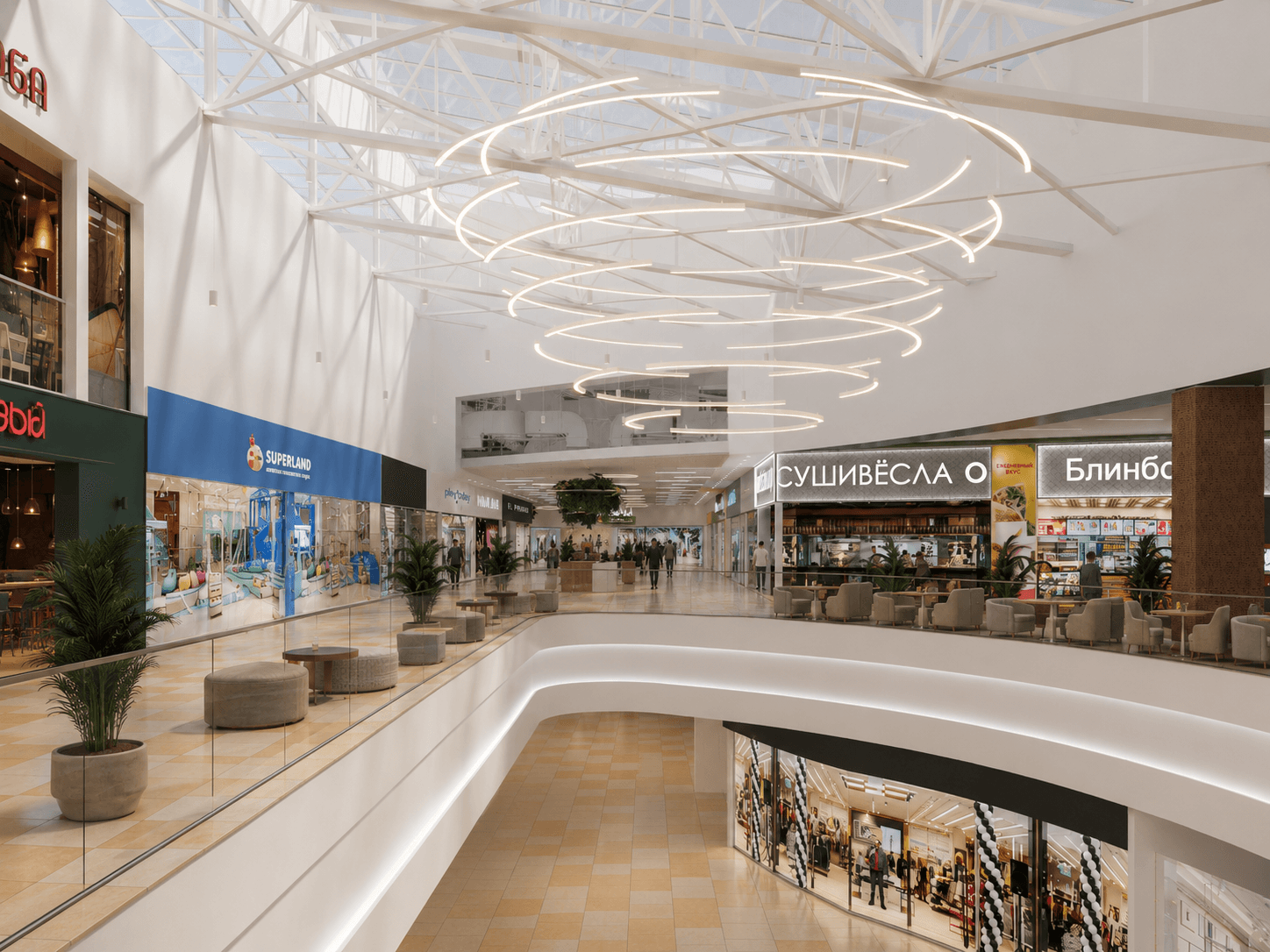
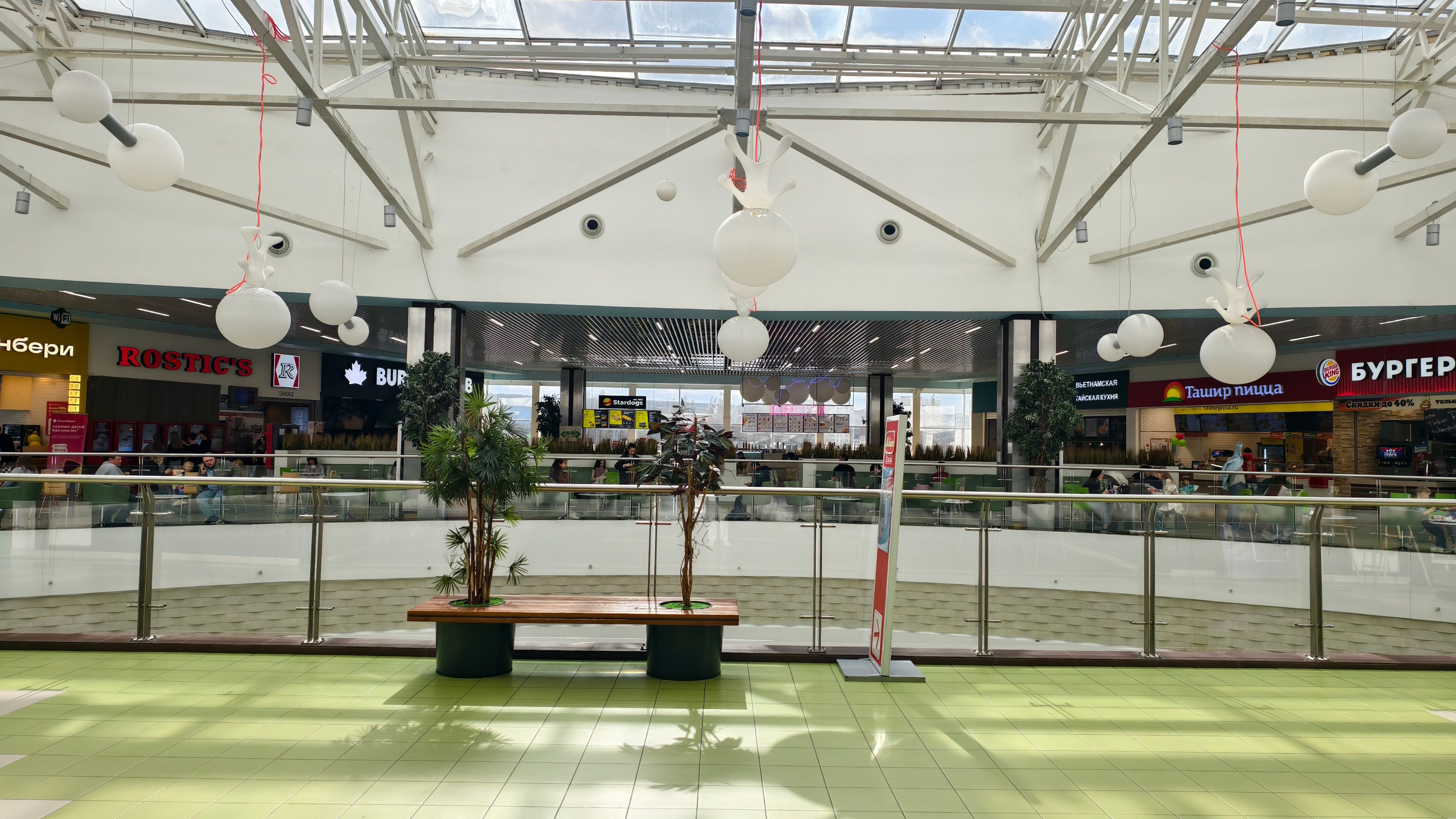
The atrium can become the shopping centre’s main landmark. In the concept for Kollazh, the focal point is a dynamic composition of suspended lights—a whirl of light above the area beside the food court.
A distinctive atrium lighting design gives a large interior volume its own character. This kind of composition can work as a contemporary art feature: drawing attention, becoming the visual centrepiece of the interior and giving visitors something memorable. With comfortable routes, places to relax and events, the atrium can become somewhere people want to stop, meet and take photos.
When designing lighting for a shopping centre, it is important to think beyond brightness. Light connects different areas, highlights architectural features and helps create distinct moods for the gallery, atrium and food court. In this concept, the food court is designed to have a soft, daylight-inspired atmosphere, while the ATM area is calmer in character, with transparent surfaces.
What a Redesign Can Do for a Shopping Centre
Kollazh Shopping Centre before renovation
A well-considered design for public areas can help a shopping centre:
- build a recognisable identity;
- make its galleries easier and more comfortable to navigate;
- create visual landmarks and meeting points;
- strengthen its appeal to visitors and tenants;
- bring shopping, food, entertainment and leisure together into a cohesive experience.
A redesign is more than a one-off change of finishes. To keep attracting people, a shopping centre needs to maintain its environment: update wayfinding and seasonal displays, host events, develop leisure areas and pay attention to how people use the space. The interior provides the foundation; management and events programming help it work day after day.
Designing Retail Spaces
The Kollazh concept shows how lighting, architectural features and a strong focal point in the atrium can work together to transform the experience of public areas. This approach can be applied both to the renovation of existing centres and to the design of new retail spaces.
I design commercial and public interiors, including shopping galleries, leisure areas, food courts and atriums. If you need shopping centre design, a lighting scheme or an atrium lighting design, we can discuss your project and the scope of work.