Top Interior Design Trends 2026: Maximalism and New Aesthetics
I’m Ekaterina Proskurina, a practicing architect specializing in commercial and residential interior design. I’m a regular speaker at Horeca Estate and a contributing expert for Petrovich.Znaet and Hoff publications. For more than 15 years, I’ve been creating some of the most trend-setting interiors.
Subscribe to my Telegram channel.
Introduction. The “In-Between” Era: Why Design Is Looking Back Again
The world of interior design—much like design as a whole—is increasingly drawing inspiration from the artistic movements of the past century. We are living in a unique historical moment: an era without a clear timeframe, where seemingly opposing aesthetics can coexist within a single space—avant-garde and romanticism, minimalism and maximalism, raw archaic forms and refined decorative expression.
This is a period of searching. A search for new forms of expression, new materials, and a new visual language capable of reflecting the spirit of our time. The old has stopped working, while the new has not yet fully emerged. Humanity has experienced similar moments before—and it is precisely during such periods that the most powerful artistic breakthroughs occur.
A comparable situation unfolded at the beginning of the 20th century. In 1923, the final exhibition of the Society for Traveling Art Exhibitions—the famous Peredvizhniki—took place. That same year, other artistic movements that had grown out of this tradition also ceased to exist. Art that had only recently been considered “modern” was no longer able to reflect the pace and dynamics of the time.
It is telling that journalist Yakov Tugendhold of Izvestia, after visiting that final exhibition, pointed out the growing disconnect between art and real life. The artistic language no longer matched the speed, tension, and transformations of society.
The avant-garde stepped in to fill this void. Suprematism, Constructivism, Futurism, and Surrealism became new forms of expression. Artists such as Rodchenko, Lissitzky, Tatlin, Malevich, Stepanova, Mayakovsky, and many others became pioneers of their era—not because they rejected the past, but because they reinterpreted it, creating an entirely new visual code.
Today, at the beginning of the 21st century, we once again turn to that period—though not directly, but through reinterpretation, quotation, form, and technique. This is especially evident in interiors: graphic compositions, active geometry, grids, squares, color blocking, contrasting stripes, and bold avant-garde colors. All of these elements have become part of contemporary design language.
Such interiors can be described as dopamine design or seen as a continuation of the retro Memphis style—which itself was a reaction to fatigue with “quiet,” neutral, impersonal aesthetics.
Color Blocking as a Historical and Contemporary Tool
Color blocking was already used by early 20th-century artists such as Wassily Kandinsky and Piet Mondrian. However, in contemporary interior design, this approach comes to us not directly from the avant-garde, but through the postmodern aesthetics of Bauhaus—and especially through the Memphis movement.
The Memphis style embodies the spirit of the 1980s: bold color forms, daring geometry, and visual irony. It emerged as a parody of the dominant interior aesthetic of the time—soft beige-and-white “quiet luxury,” which designers of the 1980s had grown tired of and found frankly boring.
Memphis contains direct references to the early 20th-century avant-garde: circles and triangles, black-and-white graphic patterns, polka dots, checkerboards, wavy lines, and contrasting stripes. Today, the use of such patterns on walls, ceilings, and floors is once again highly relevant—but now with a new meaning.
FunHaus, Dopamine Décor, and Gen Z Aesthetics
Interestingly, contemporary trends confirm this movement. One example is FunHaus, a trend identified in Pinterest’s annual forecast, which describes interiors inspired by circus and playful aesthetics. Simple geometry, saturated open colors, bold stripes, and illustrative prints define this approach.
Previously, Pinterest highlighted the Primary Play aesthetic—an urge to bring more “childlike,” naive elements into interiors, free from adult seriousness. Generation Z has taken dopamine décor to its extreme, transforming interiors into spaces of emotion, play, and visual pleasure.
This gives both designers and clients permission to embrace lightheartedness: ironic art objects, unconventional textiles, colorful bedding, and items that may not be “correct” in a traditional sense, but are emotionally honest.
Retro as the Language of the Present: From Mid-Century Modern to New Maximalism
In general, anything labeled retro is back in fashion today. One of the most important examples is mid-century modern. This style later evolved into the immensely popular Scandinavian design aesthetic, but today it is returning closer to its original form.
Mid-century modern emerged in the United States after World War II (1940s–1960s) as a response to society’s demand for affordable, comfortable, and optimistic living environments. It developed the ideas of modernism and Bauhaus, adapting them to everyday life: natural materials, ergonomic furniture, smooth lines, and bright accents.
The style became possible due to the rise of the middle class and the democratization of design. It rejected pomp in favor of functionality, comfort, and emotional openness. Iconic figures such as Charles and Ray Eames, George Nelson, Arne Jacobsen, and Pierre Koenig shaped a visual language that is once again highly relevant.
The Interior as Narrative: Why Maximalism Is Returning
When we talk about contemporary interior styles and the ongoing dialogue with the past, another key trend becomes clear: designers want interiors to be emotional and expressive—to “speak.” Through references to history, ethnicity, and craftsmanship, the interior ceases to be merely a beautiful shell.
It begins to tell a story.
This is why minimalist Japandi—with its warmth and restraint—became a starting point. But today, it is evolving into a surge of romantic neo-shamanism, ethnic influences, and maximalism. From Japandi, only warmth remains; everything else becomes richer through ornament, handcrafted elements, and layered meaning.
This is where the caveman core aesthetic emerges—the “primitive” interior: monumental forms, raw materials, stone with pronounced texture, clay, wood, metal, totems, sculptural lamps, hide-like rugs, shells, and dreamcatchers. It is a response to global instability and a desire to reconnect with the unconscious and with our roots.
In unstable times, people traditionally turn to tarot, astrology, and ethnic symbolism—and interiors begin to reflect this search. A distinct direction within this movement is the Russian style: a collective image formed from the ornaments, meanings, and crafts of the peoples of Russia and the CIS region.
1. The Main Trend of 2026: Maximalism That Tells a Story
In 2026, interior design is finally moving away from the sterile, calm, almost interchangeable spaces that dominated recent years. Maximalism is taking the lead—but not the chaotic version associated with clutter and randomness. The new maximalism is thoughtful, curated, and multilayered, where every detail contributes to a visual and emotional narrative.
The interior becomes a story. A story of a person—their taste, attachments, cultural roots, memories, travels, and impressions. If minimalism aimed to remove the unnecessary, maximalism in 2026 aims to highlight everything meaningful. Individuality is key: art objects, bold colors, ornaments, handcrafted items, family heirlooms—everything that creates true uniqueness.
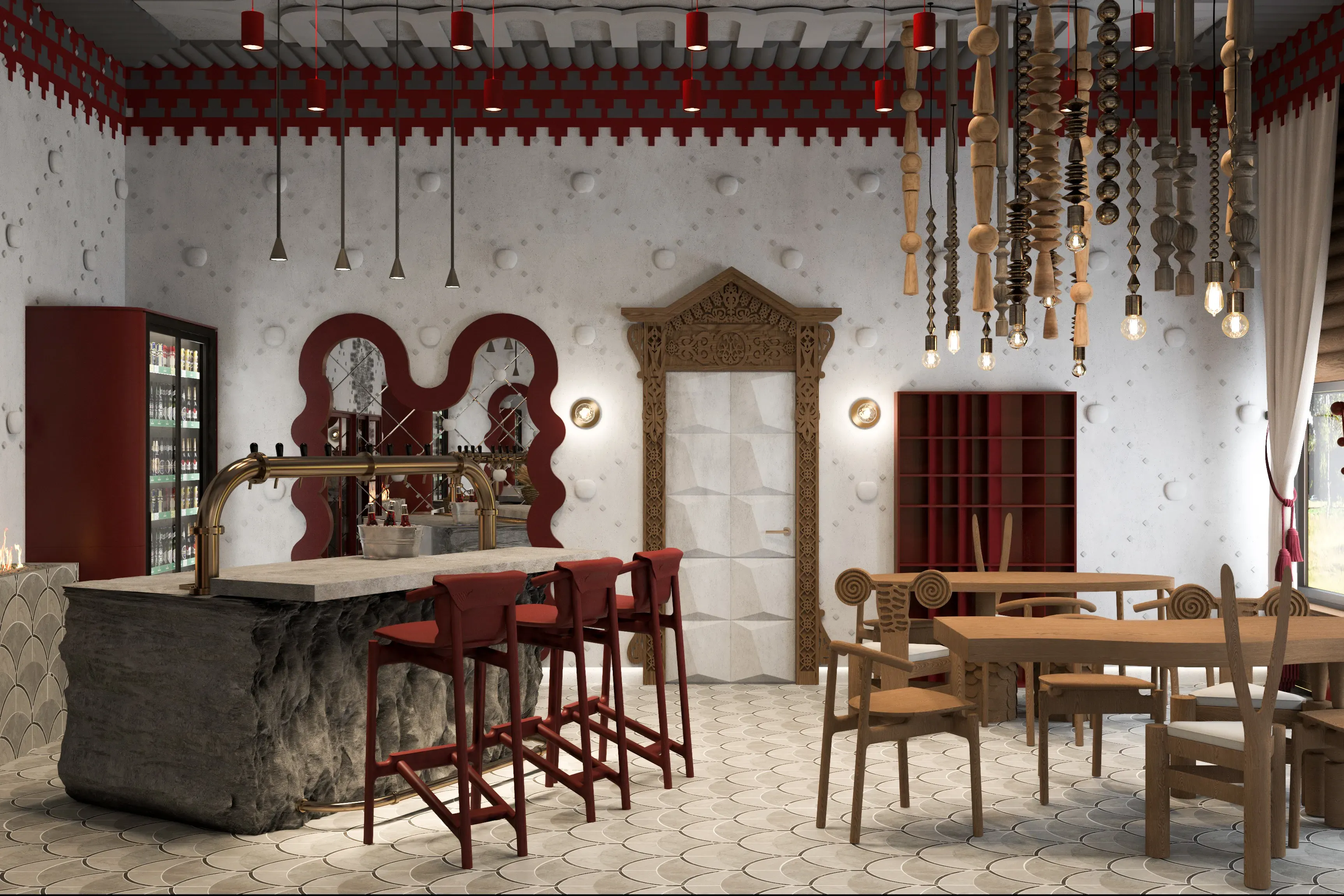
What used to be considered the epitome of good taste—soft monochromatic minimalism with calm beige and gray palettes—now feels too muted. The new direction enhances layered monochrome with color, contrast, ornament, and texture. Spaces gain meaning, depth, and voice. Even in neoclassical or ethnic interiors, the main focus remains the story the space tells.
Maximalism becomes a universal framework that unites diverse styles—from ethnic interiors to art deco. The focus is on emotion, expression, rich detail, and the feeling of life. A home designed in this aesthetic is no longer just a pretty picture—it becomes an extension of one’s personality and cultural code.
2. The Four Key Style Directions of 2026
Interior trends in 2026 are not limited to a single aesthetic—on the contrary, design becomes layered, multifaceted, and culturally rich. Different visual languages coexist, reflecting the emotional complexity and contradictions of our time.
Among the many currents, four key style directions define the face of 2026:
Renewed Retrofuturism and Dopamine Interiors
Bold, graphic spaces with active geometry, color blocking, contrasting stripes, and saturated hues. These interiors inherit the legacy of the early 20th-century avant-garde and the Memphis movement, reinterpreted for today’s fast-paced, emotion-driven lifestyle.
Ethnic Interiors Rooted in Geographic Identity
Ethno-Russian, ethno-Slavic, ethno-African, ethno-Mexican, and other culturally specific directions, where identity is expressed through ornament, materials, color palettes, and traditional craft techniques. This is not superficial stylization, but a way of working with roots, archetypes, and collective memory.
Vibrant Colorful Neoclassicism with Art Deco Influence
Classical proportions and architectural order combined with saturated colors, decorative richness, and the dramatic expressiveness of art deco. This interpretation of neoclassicism is often referred to as “French neoclassicism,” characterized by elegance, visual confidence, and a love of color and ornament.
Mid-Century Modern and Beige Soft Minimalism (“Beige Mom Style”)
In 2026, mid-century modern exists in two parallel forms. On one hand, it remains a historical style defined by bright accents, natural materials, and ergonomic furniture. On the other, it evolves into a warm, restrained soft minimalism—widely known in contemporary media as the “beige mom” style.
2.1. Retrofuturism and Mid-Century Modern Reimagined
Mid-century modern, which has quietly resurfaced in recent years, finally takes on a more daring spirit in 2026. Familiar silhouettes of the 1960s–70s are enriched with bold color accents, futuristic details, unique lighting, and experimental materials.
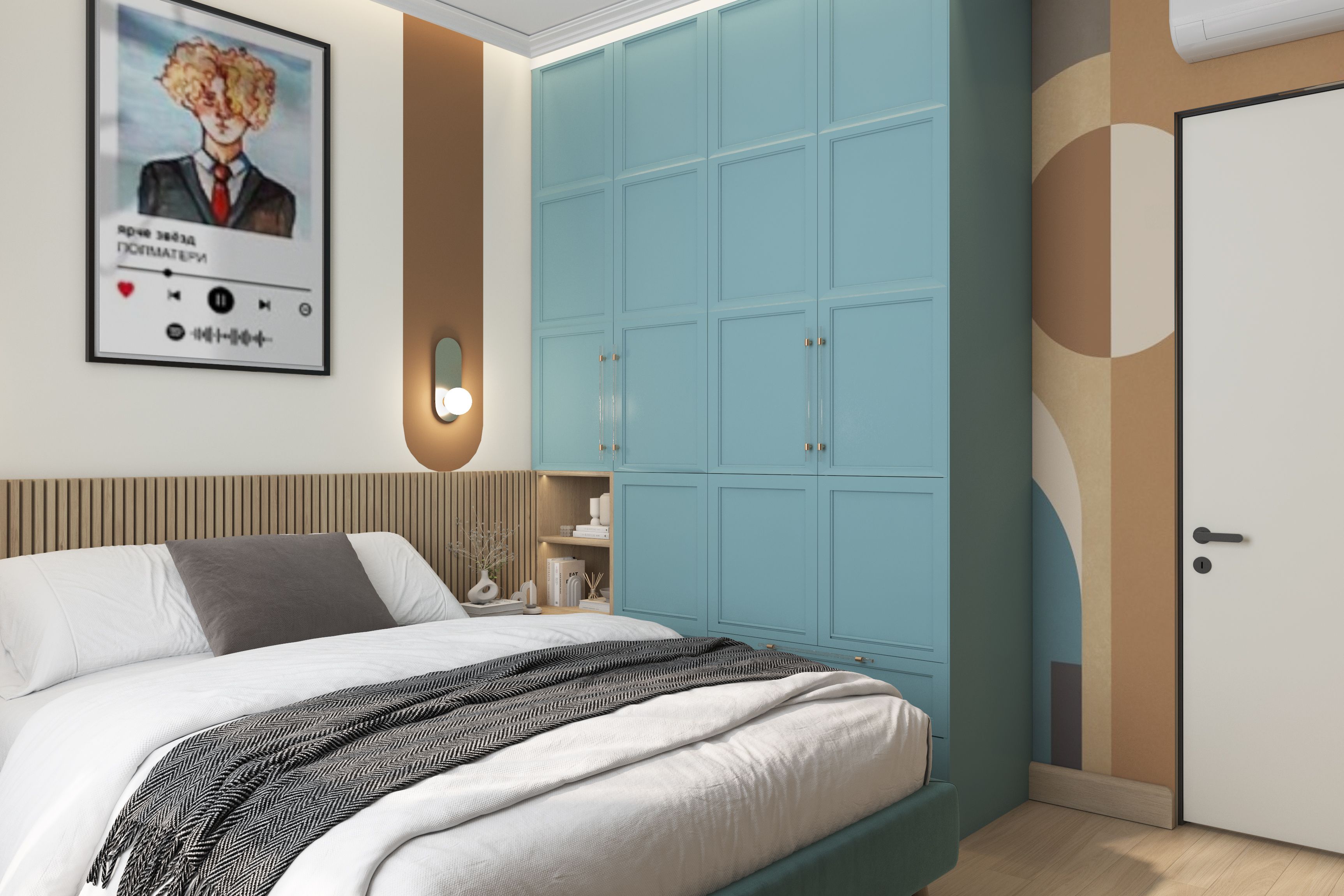
Retrofuturism embraces boldness: furniture forms become more sculptural, glass takes on imaginative shapes, and metal moves from supporting role to protagonist. Low-profile furniture and fluid lines create a sense of movement and softness.
This style is ideal for those who want intellectual nostalgia while mixing past and future. Here, colors and forms act as emotional accents and drive the dynamism of the space.
2.2. Ethnic Interiors with a Russian Accent
Ethnic design becomes one of the strongest trends of 2026, and in Russia, the natural evolution of this is a modern reinterpretation of the Russian style. This is not a nostalgic reconstruction—it’s a meaningful, contemporary translation of ornaments, textures, and cultural archetypes.
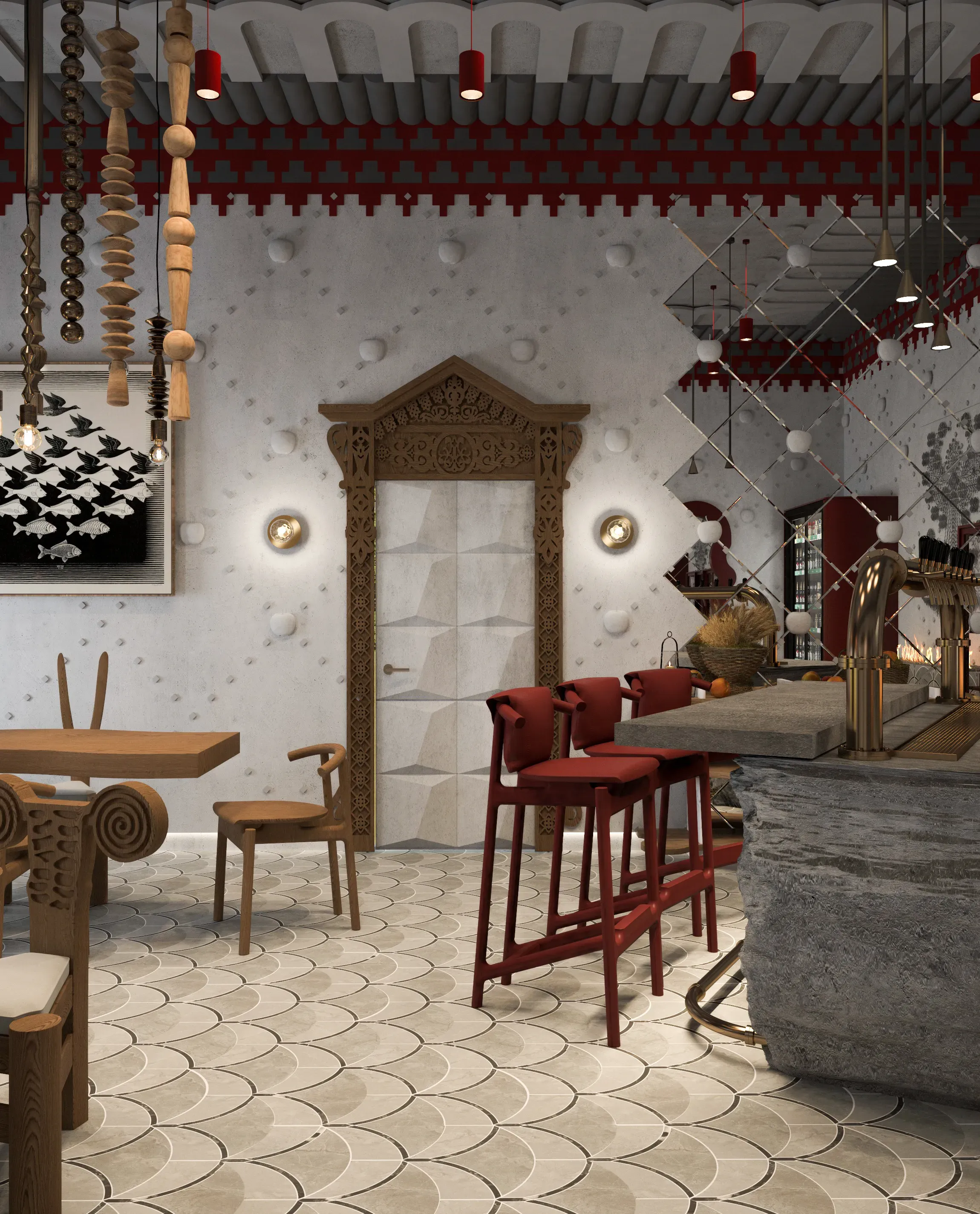
The Russian style can unfold through:
— Lubok-inspired motifs and bright patterns
— Slavic geometry and soft natural tones
— Northern carved details and wool textures
— Caucasian graphic contrasts and rich colors
Ethnic design is inherently modular. Change the set of ornaments and textures—and the “nationality” of the space changes with them: add ceramics and cacti for a Mexican vibe; bring in rough wood and tactile textiles for a northern aesthetic.
Rounded walls, arches, and sculptural furniture feel especially organic in such interiors, creating human-centered, soft architecture. Ethno today is not mere stylization—it's a way to emphasize identity and roots.
2.3. Vibrant Colorful Neoclassicism
Neoclassicism has long existed as a realm of light, balanced interiors in pastel shades. But 2026 rewrites the rules. The new neoclassicism embraces large color blocks, saturated hues, deep walls and ceilings, and bold decorative solutions.
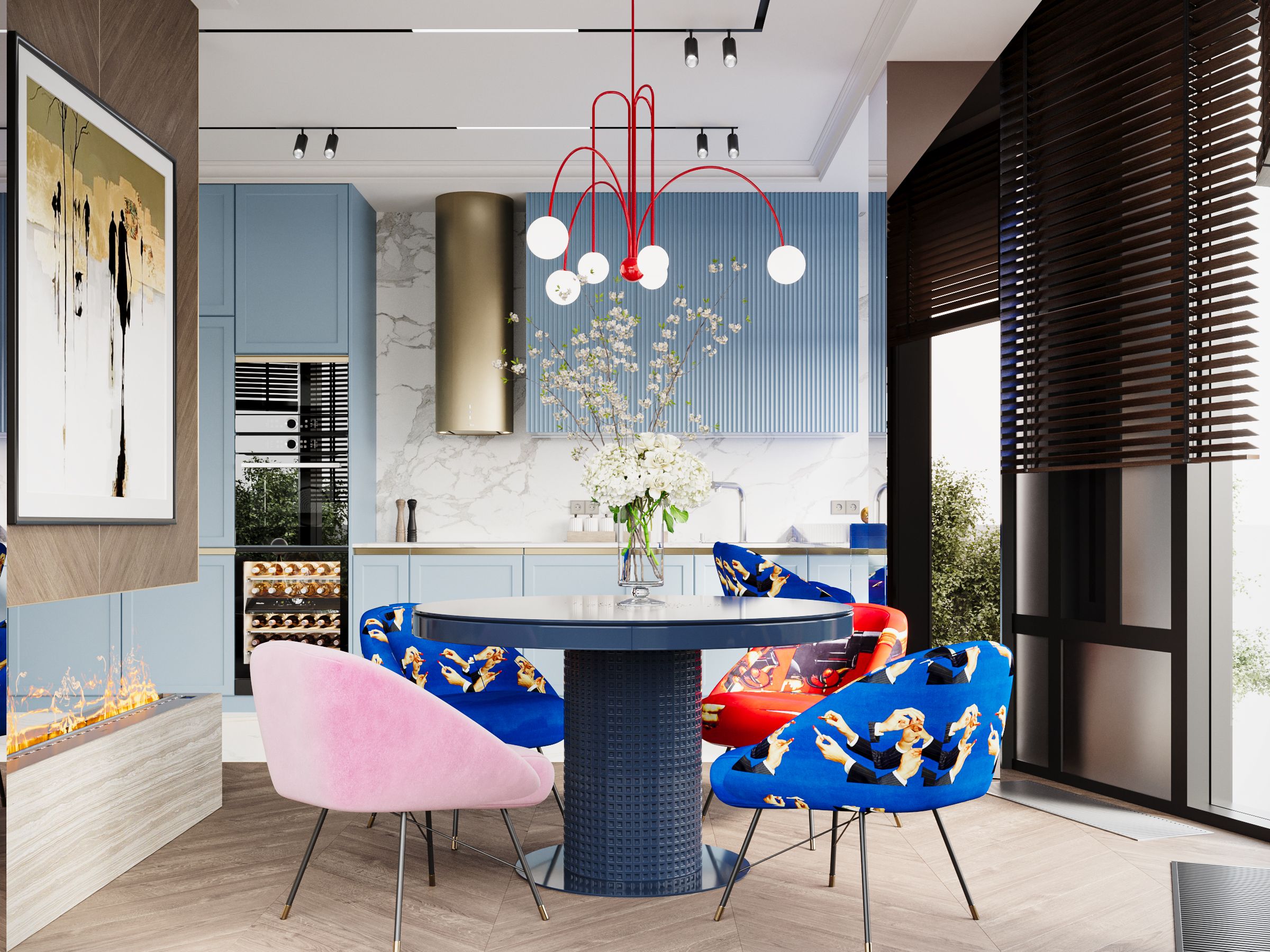
The style retains its core—proportions, classic hardware, symmetry, moldings—but now these elements frame color rather than replace it.
Add a bit of ornament and texture—and the interior shifts into maximalism. Leave more air—and you get an elegant, structured, emotionally warm space.
Vibrant neoclassicism is for those who want expressiveness without losing harmony.
2.4. Mid-Century Modern and Beige Soft Minimalism (“Beige Mom Style”)
In 2026, mid-century modern exists in two parallel forms. On one hand, it remains a historical style defined by bright accents, natural materials, and ergonomic furniture. On the other, it evolves into a warm, restrained soft minimalism—widely known in contemporary media as the “beige mom” style.
This aesthetic is built around a calm, neutral palette (beige, milk, sand, caramel), tactile materials, rounded forms, and a sense of visual safety. It reflects a desire for control, stability, and a “proper,” carefully curated environment for everyday life and parenting—an idea frequently discussed in modern cultural commentary.
Within the context of 2026 trends, beige soft minimalism functions as a counterpoint to maximalism. Rather than dominating the design landscape, it serves as a neutral baseline from which designers either deliberately depart or consciously contrast with color, ethnic expression, and emotional intensity.
Despite their differences in visual language, origin, and form, all of these directions share a common focus on expressiveness, emotional depth, and architectural softness. The interior is no longer neutral—it becomes a reflection of lifestyle, values, and inner state.
3. Architectural Elements: Arches, Softened Lines, and Plasticity
One of the most powerful directions of 2026 is architectural plasticity. Sharp angles and rigid lines give way to softness: arches, vaults, rounded openings, curved walls, and fluid furniture silhouettes. This kind of architecture creates a sense of calm and naturalness, echoing the shapes of nature and the human body.
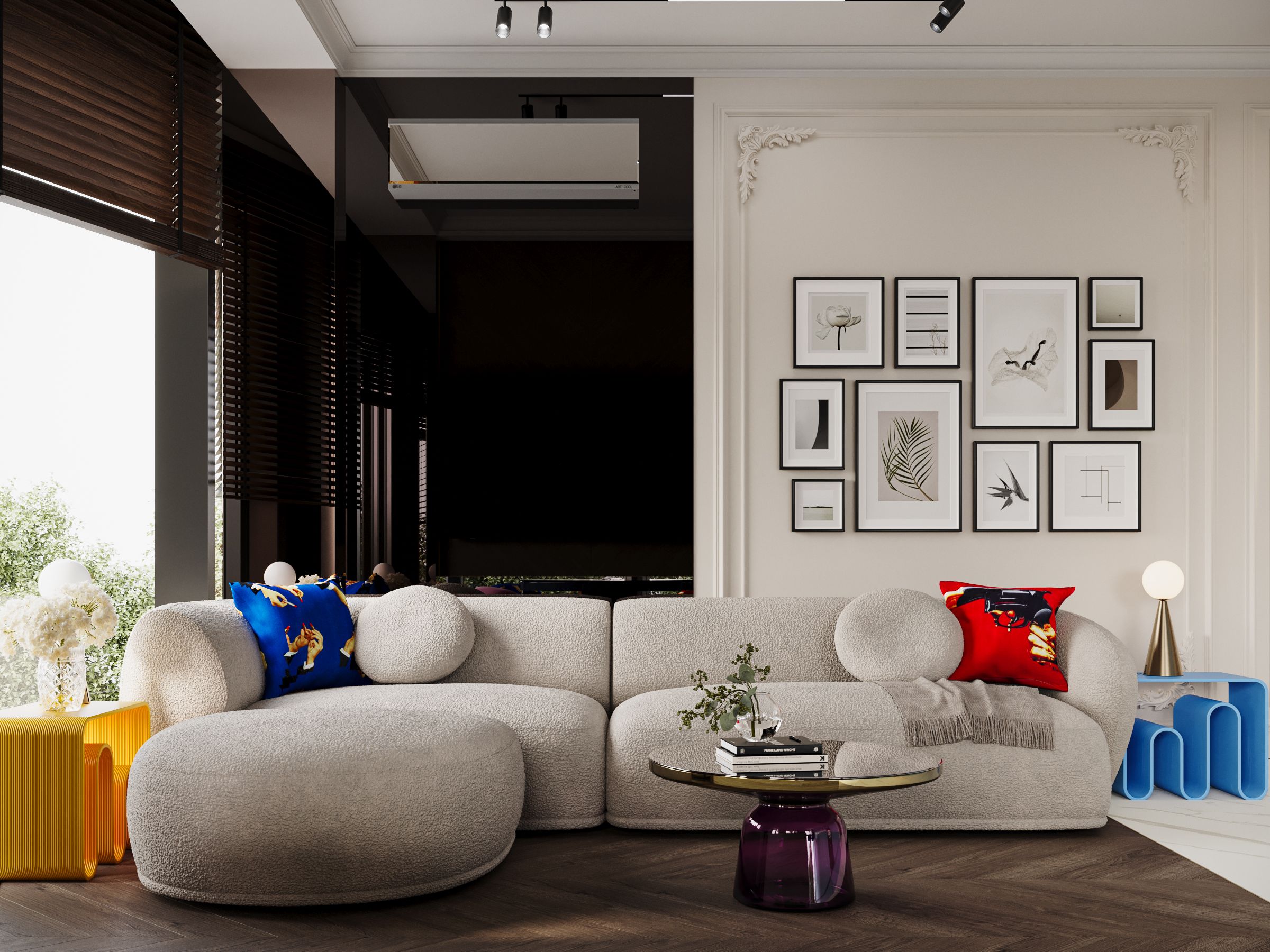
Arches become a key element: they visually enlarge the space, add depth, and create the feeling of transitioning from one emotional zone to another. Combined with color, arches serve both decorative and conceptual roles.
Rounded corners and softened edges contribute to a sense of flow. This is not just decoration—it supports the broader trend toward biophilic design and organic forms. Interiors built on smooth lines feel warmer, friendlier, and perfectly aligned with the expressive color and material richness of maximalism.
In 2026, architectural softness becomes a unifying backdrop for all major styles—ethnic, art deco, neoclassical, and retrofuturistic—making spaces cohesive, alive, and unmistakably contemporary.
4. Biophilia — A Non-Negotiable Element of the Modern Interior
Just a few years ago, plants in interiors were seen as a pleasant but optional touch. In 2026, biophilia becomes a fundamental part of the design vocabulary. It’s no longer about “placing a plant in a vase,” but about a holistic approach where nature becomes a full-fledged participant in the space.
Today, living plants are an architectural tool, used as thoughtfully as color, texture, or light. Large floor plants create verticality, visually balance bold walls, and complement richly decorated spaces. Compositions of smaller plants form gentle transitions, while shrub-like and tree-like species become emotional focal points of a room.
Biophilia reinforces the year’s main idea—the story. Plants infuse interiors with a sense of life, a breathing environment, and a natural grounding energy. They fit seamlessly into ethnic interiors, where greenery enhances the connection to cultural archetypes, and into vibrant neoclassicism or art deco, where plants serve as a soft counterbalance to dramatic décor.
Biophilic design is further strengthened by natural materials: wood, stone, clay, and textiles made from natural fibers. Together, they create a tactile, authentic environment where people feel calmer and more grounded.
In 2026, a home without plants feels unfinished—as if it’s missing its final touch. Living greenery becomes as essential as textiles or lighting.
5. Color as the Main Design Tool of 2026
In 2026, color stops being background—it becomes the primary expressive tool of the interior. Color sets the mood, defines the character of the space, and helps create the very “story” at the heart of this year’s trends. If designers previously leaned toward neutrality, now neutrality feels like a missed opportunity to express personality.
Bold and emotionally rich hues take center stage: ochre, indigo, deep grape plum, emerald and forest greens, dark turquoise, fuchsia, terracotta, rusty browns, and honey tones. These shades add volume, density, and character to interiors. And they are used not as accents, but as large-scale statements—on walls, ceilings, doors, built-in furniture, and niches.

Color becomes a storytelling tool: one hue may define the cultural identity of a space, another sets the emotional tone, and a third builds the visual rhythm. In ethnic interiors, color is often tied to tradition—from the palette of Russian lubok art to earthy tones of clay, wool, and natural dyes. In art deco, color becomes the foundation of theatricality; in neoclassicism, a means of creating depth and refined luxury; in retrofuturism, a way to add dynamism.
New maximalism demands bold combinations: deep green with red, warm ochre with indigo, terracotta with emerald, lilac shades paired with honey tones. What matters is not just the choice of colors, but how they interact with texture—matte finishes, relief surfaces, textiles, and wood. This creates the effect of layered painting, where the interior becomes a canvas.
Color is no longer mere decoration—it’s a language through which the space speaks. And the richer the palette, the more expressive the story.
6. Textures and Materials: Craft, Handmade Surfaces, and Relief
In 2026, interiors gain depth and expressiveness not only through color but also through texture. The spotlight shifts to materials that bear the imprint of the human hand—everything crafted, not mass-produced. Craftsmanship, tactility, and natural honesty define the new season.
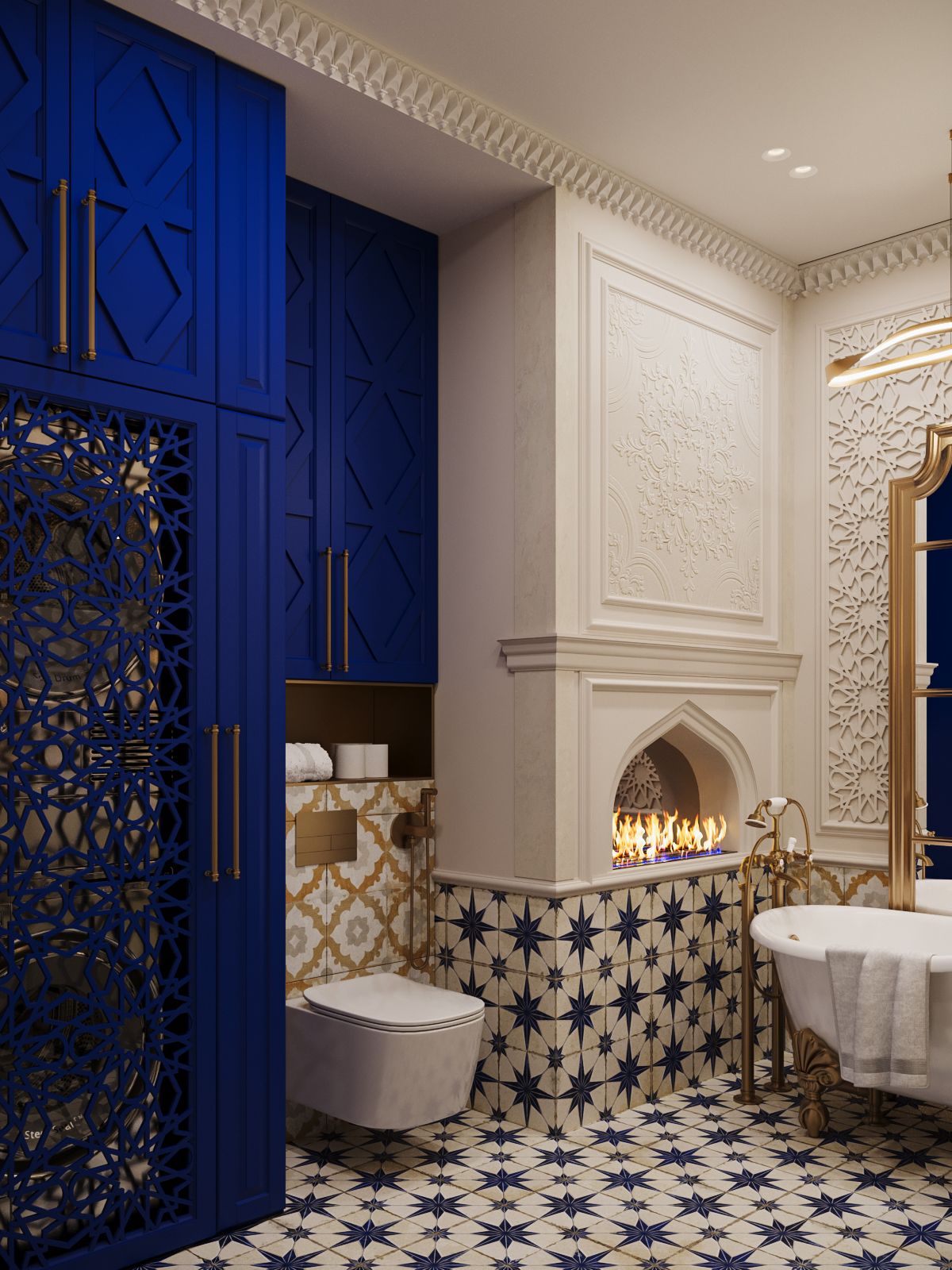
Leading the way are wool fabrics, coarse textiles, chunky knits, linen weaves, handwoven rugs, ceramics with irregular glazing, wooden panels with visible grain, and stone with natural patterns. These materials bring warmth, sincerity, and tactile richness to interiors—perfectly complementing the trend toward storytelling and maximalism.
Reliefs evolve into a full-fledged decorative style. These may include:
— clay wall panels,
— bas-relief surfaces,
— carved wooden elements,
— woven compositions,
— expressive plaster textures.
Such elements add depth and make the interior feel alive. They visually enrich the space—but naturally, without heaviness—because relief and craft follow an organic logic.
Texture becomes a way to give a room character without unnecessary décor. And when combined with deep color, the story becomes even more powerful. Terracotta matte clay, woolen panels against emerald walls, dark wood grain against indigo—all create an interior you can feel not only with your eyes but with your skin.
Craft materials and handmade textures are essential in ethnic interiors but integrate beautifully into colorful neoclassicism, art deco, and even retrofuturism, adding warmth and authenticity. They form a universal language of contemporary design—the language of the tactile and the real.
7. Ornaments as the Language of the Contemporary Interior
In 2026, ornaments become a key code that defines the mood, cultural identity, and depth of an interior. Through ornament, a space begins to “speak” the language of traditions, stories, and visual archetypes. If color sets the emotion, ornament gives that emotion structure—its cultural context.
Ornaments are used boldly, on a large scale, and with clear intention. These may include:
— ethnic motifs from different cultures,
— classical rhythmic patterns,
— Art Deco geometry,
— folk (lubok-inspired) prints,
— contemporary graphic patterns.
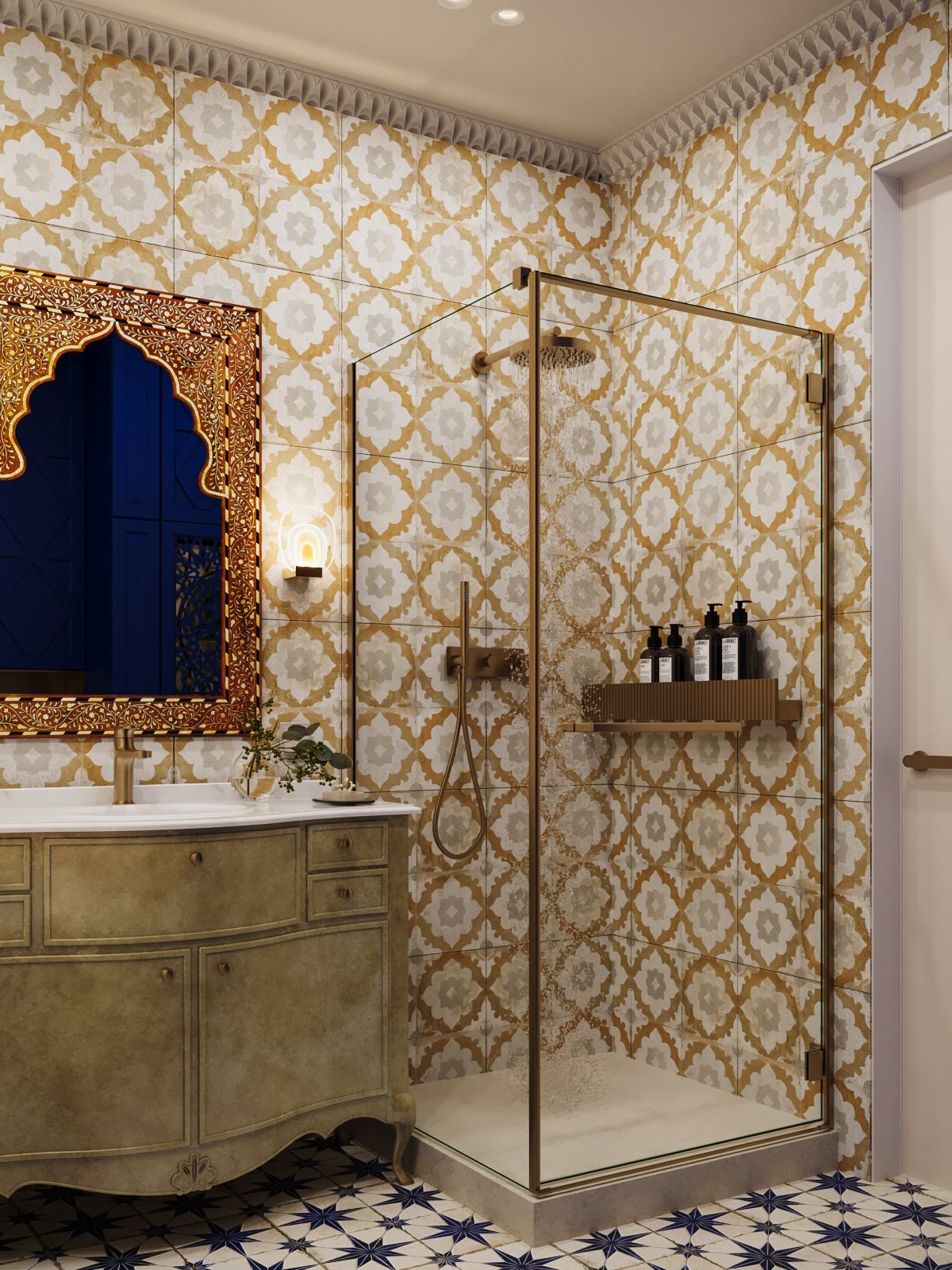
In ethnic interiors, ornament is an essential element. It determines the direction of the overall image: toward Central Russian style, Northern traditions, Slavic heritage, Caucasian motifs, or even Mexican aesthetics. Everything depends on the chosen symbols, lines, and color combinations.
If more color and high-contrast ethnic patterns are added, the interior shifts toward a clearly defined national stylization. If the ornament is more restrained and the colors are softened, the space moves closer to neoclassicism or contemporary maximalism.
Notably, in the new season ornament becomes not only decoration but also an architectural element. It appears in wall panels, bas-reliefs, carvings, textile compositions, and large-scale rugs. Ornament forms visual “chapters” within the interior, helping to divide the space into meaningful zones.
In neoclassicism, ornament emphasizes structure; in Art Deco, it sets rhythm; in retrofuturism, it adds dynamism; in ethnic interiors, it becomes the very heart of the composition. It is a universal tool that makes an interior not only beautiful, but also culturally rich.
Ornament is the language through which a space tells its story. And the more thoughtfully it is chosen, the deeper and more expressive the interior becomes.
8. Furniture Trends
Furniture in 2026 goes far beyond pure functionality—it becomes a key expressive element of the interior. There is a clear sense that every piece should have character, contribute to the narrative, and visually support the layered nature of the space.
The main trend is sculptural form. Soft plasticity, rounded lines, and flowing silhouettes become the norm. Sofas and armchairs appear almost hand-sculpted: enveloping, tactile, and visually comforting. This aligns with the trend toward arches, overall architectural softness, and biophilic design.
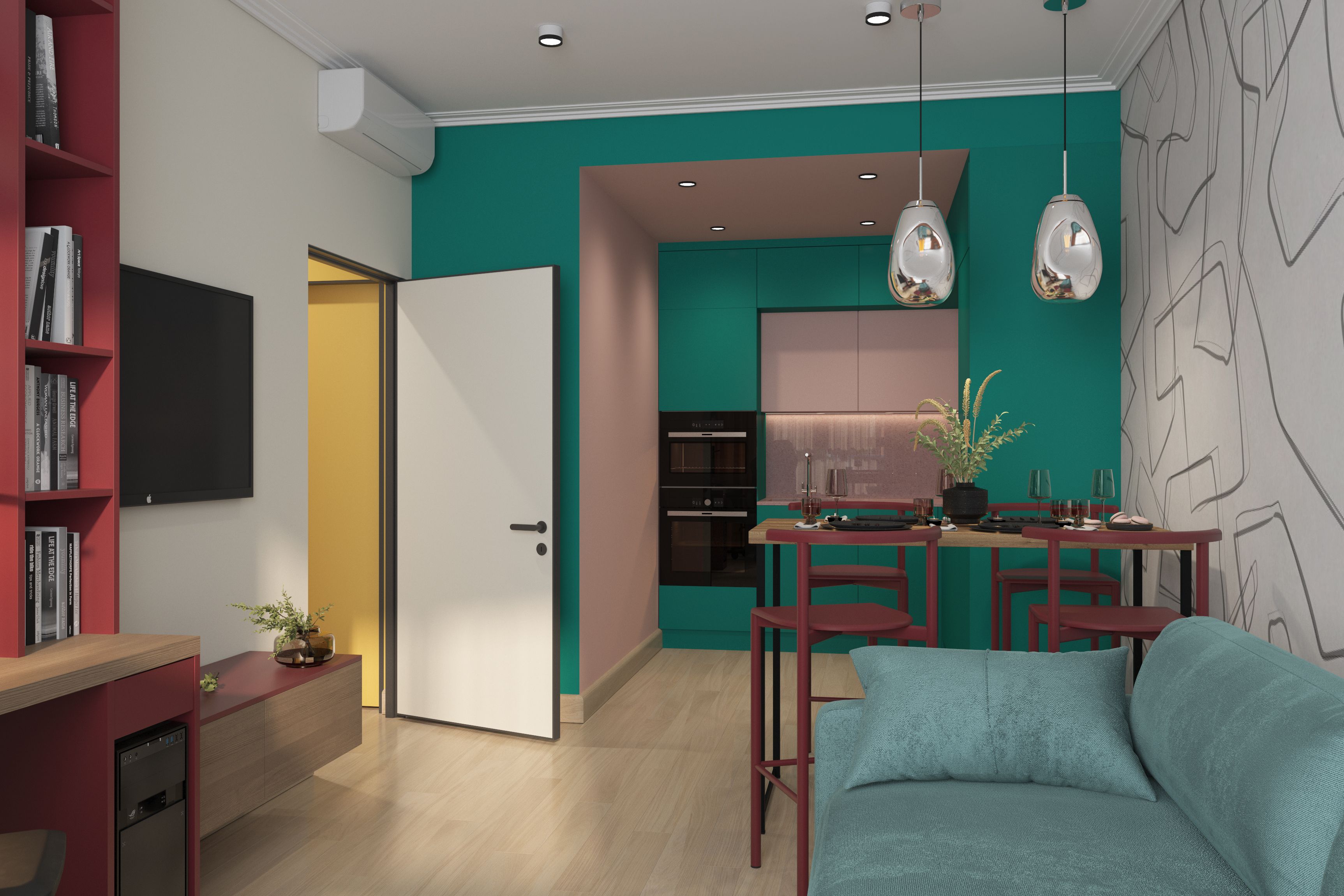
One important direction is colorful furniture. Cabinets, consoles, armchairs, and sofas are boldly painted in saturated hues: indigo, ochre, emerald, plum, terracotta, deep moss green. Furniture becomes an accent element that reinforces the color-driven drama of the interior.
In 2026, there is a noticeable rise in demand for artisan and custom-made pieces: furniture from small workshops, bespoke designs, and handcrafted objects. These may include woven chairs, carved tabletops, ceramic pedestals, and textile panels. People seek uniqueness—and furniture becomes a way to express a personal perspective on interior design.
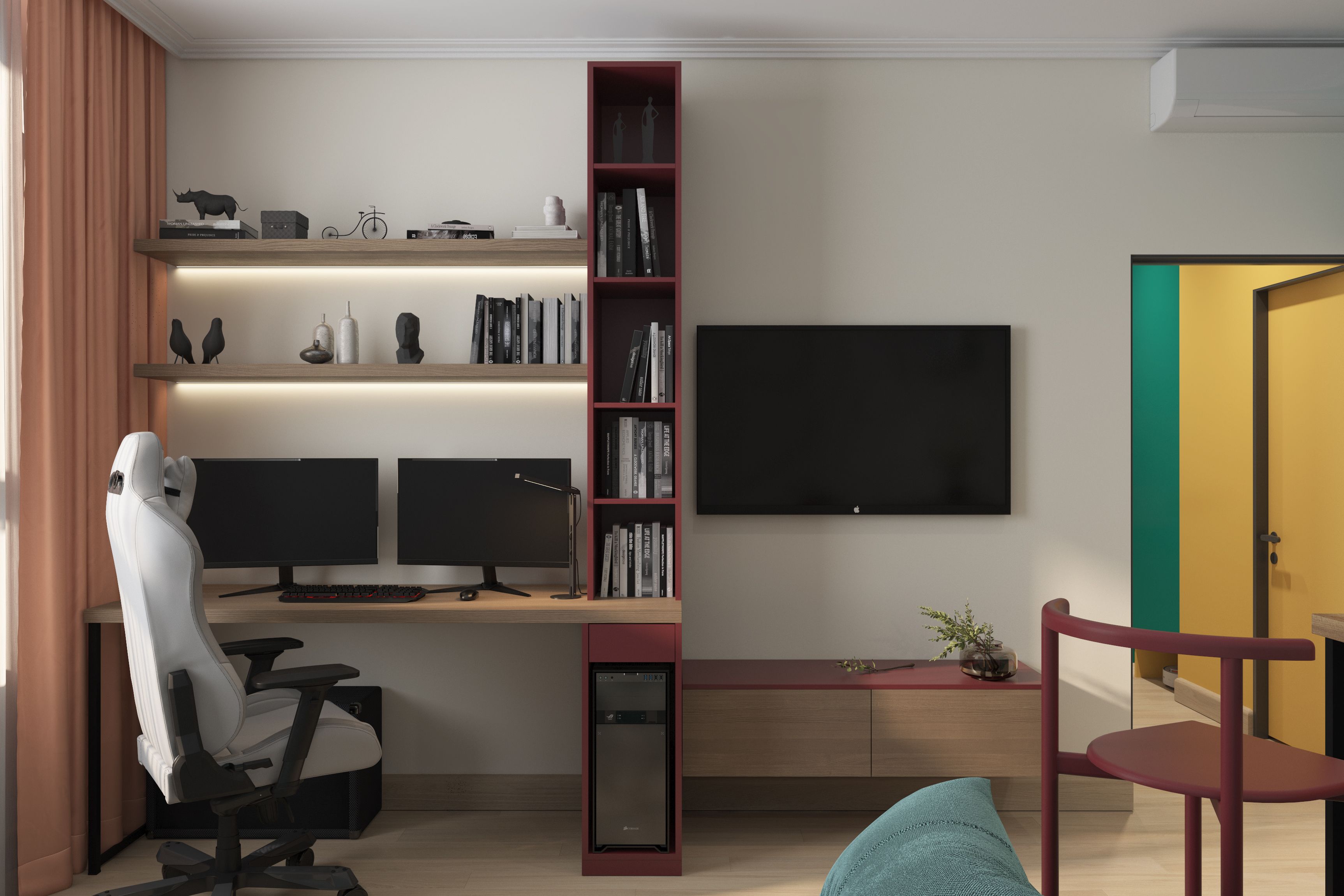
Functional solutions continue to evolve, but in a different way. Instead of hidden minimalism, we see thoughtful expressiveness. Modular sofas with sculptural forms, transformable consoles, and tables with artistic elements show that function is no longer concealed by form—it becomes part of the artistic concept.
Special attention is given to material authenticity. Furniture made of wood with pronounced grain, ceramics, wool-based structures, or metal with a living patina should feel “real.” It must be tactile, honest, and carry a readable material history.
Furniture in 2026 is no longer a neutral base for décor, but an independent artistic layer of the interior.
9. Lighting and Objecthood
In 2026, lighting moves far beyond its technical purpose—it becomes one of the defining tools of atmosphere and a key design object in its own right. Fixtures take on an artistic role, functioning as sculptures, objets d’art, and emotional highlights.
The principle of layering, which defines the year’s interiors, fully applies to lighting. Several types of illumination are used simultaneously: soft ambient light, architectural contour lighting, spotlight accents, and decorative fixtures with strong personality. This multi-layered approach allows you to shift the mood and depth of a space, creating a “living” interior that transforms with each scenario.
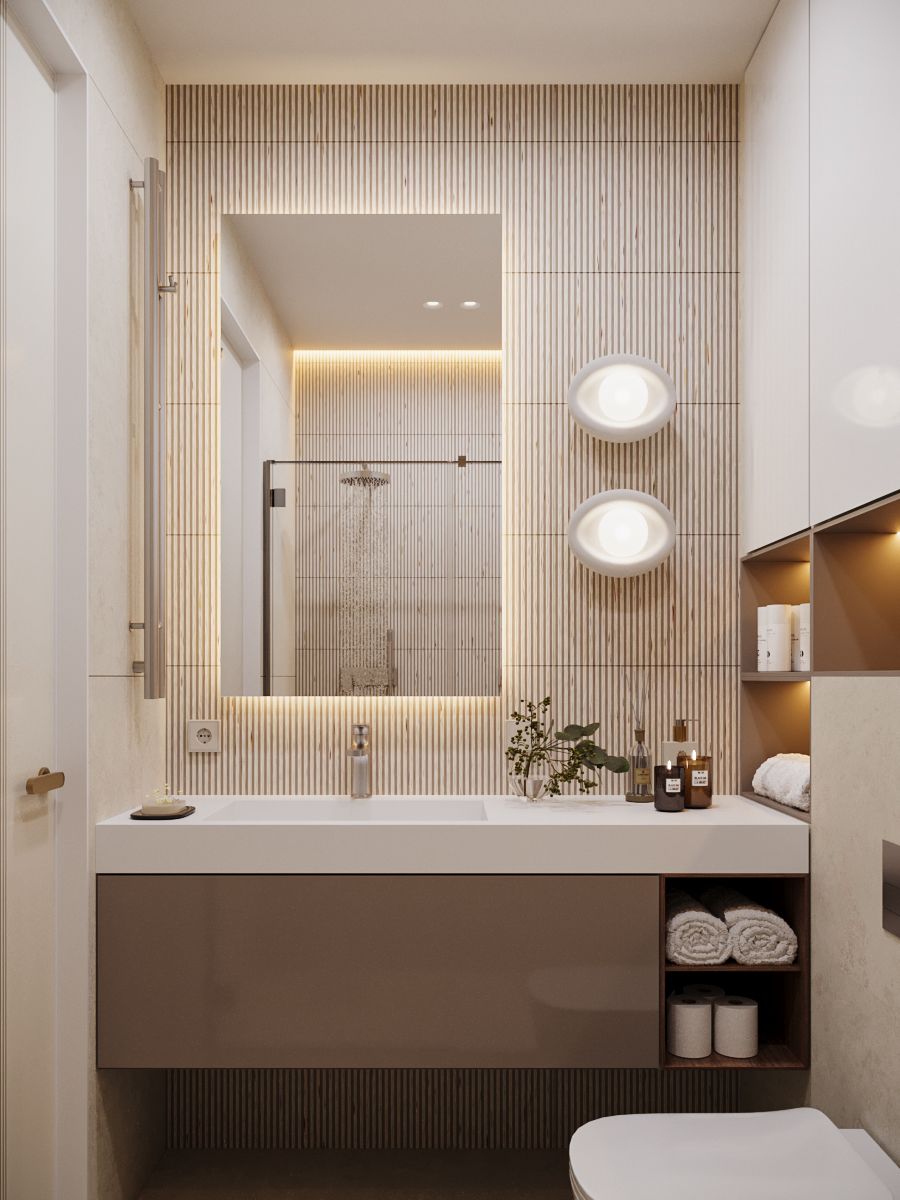
Unusual lighting forms are gaining popularity: fantastical glass shapes, textured ceramic lamps, metal structures reminiscent of art deco, or even large-scale light sculptures. What matters is that a fixture acts as a standalone art object—reflecting the interior’s style and amplifying its story.
In ethnic interiors, lighting often incorporates natural materials—woven fibers, wood, ceramics, or handcrafted textures. In neoclassicism and art deco, metal elements, geometric forms, and glass remain essential. In retrofuturism, bold colors and futuristic silhouettes dominate.
Warm light is especially important. Soft, slightly golden illumination enhances the textures of wood and textiles, accentuates relief surfaces, and brings out the richness of saturated tones. This type of lighting creates a sense of comfort, emotional warmth, and visual cohesiveness.
Lighting in 2026 is not background—it is the artistic framework of the interior, essential for achieving depth and expressiveness.
10. Conclusion: What the Interior of 2026 Will Look Like
The interior of 2026 is a space filled with meaning, personality, and emotion. There is no place for the bland or decorative-for-the-sake-of-decor. Every element—from color and ornament to furniture shape and lighting choice—participates in building a narrative that expresses the identity of the person or place.
Maximalism becomes the defining direction of the year precisely because it allows this multilayered story to unfold. It is not about excess—it is about depth. It brings together culture, memory, heritage, craftsmanship, and art, shaping a space that feels like a personal myth.
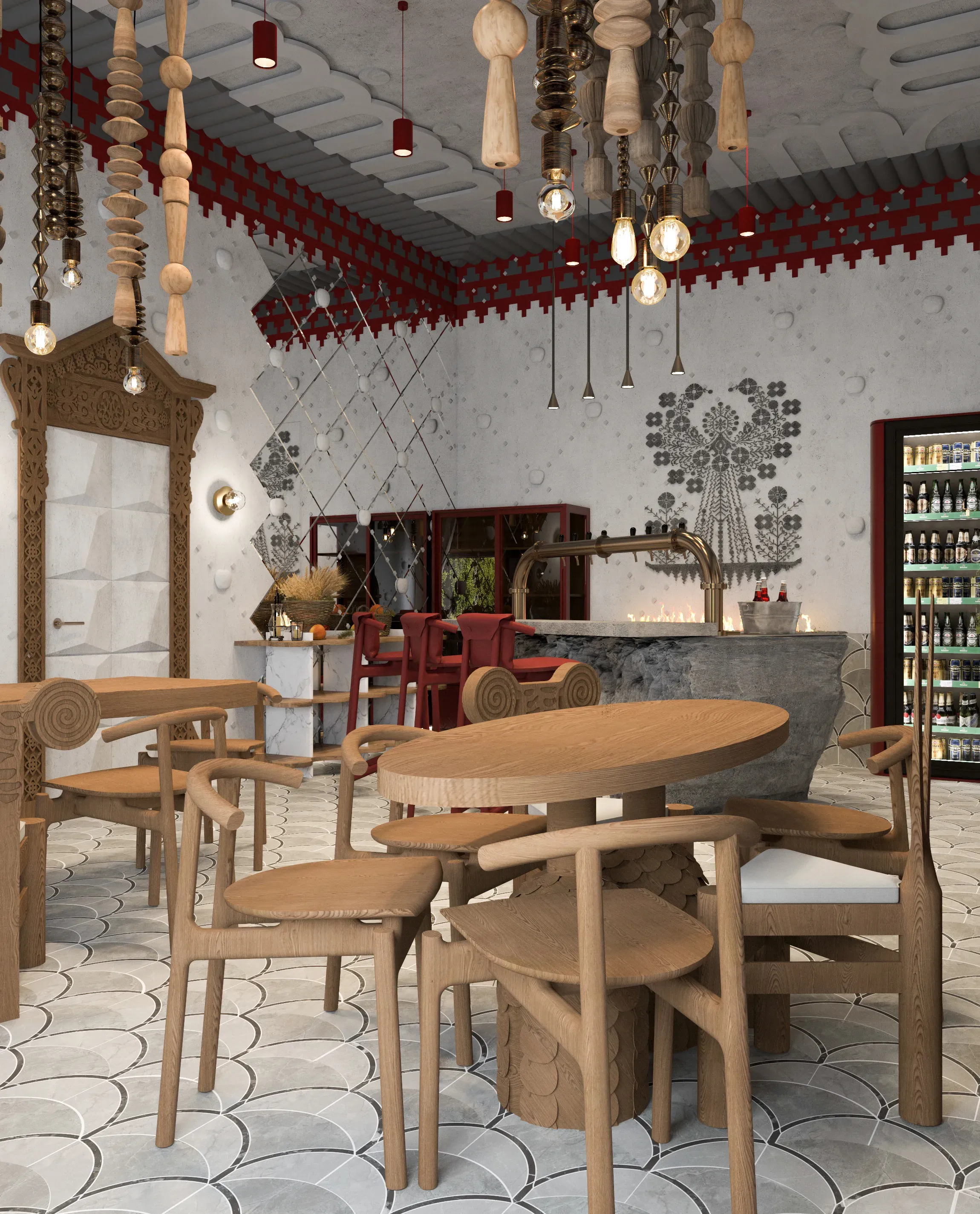
The four key styles—renewed retrofuturism, ethnic interiors with a Russian emphasis, vibrant colorful neoclassicism, and dramatic art deco—form the year’s aesthetic palette. Despite their differences, they share a common desire for richness, individuality, and emotional intensity.
Arches, softened lines, biophilic elements, and natural materials bring softness and organic flow into the interior. Color becomes the main compositional tool, while textures and handcrafted surfaces form its tactile foundation. Ornaments define the cultural vector, and artisanal furniture and expressive lighting turn the home into a gallery of personal values.
The interior of 2026 is a space where one can feel, breathe, and truly be oneself. It is alive, layered, honest. It is unafraid of color, history, roots, or personality. It is created not for display, but for life—beautiful, emotional, and meaningful.
CONTACT US to order a Design Project for your luxurious interior.

